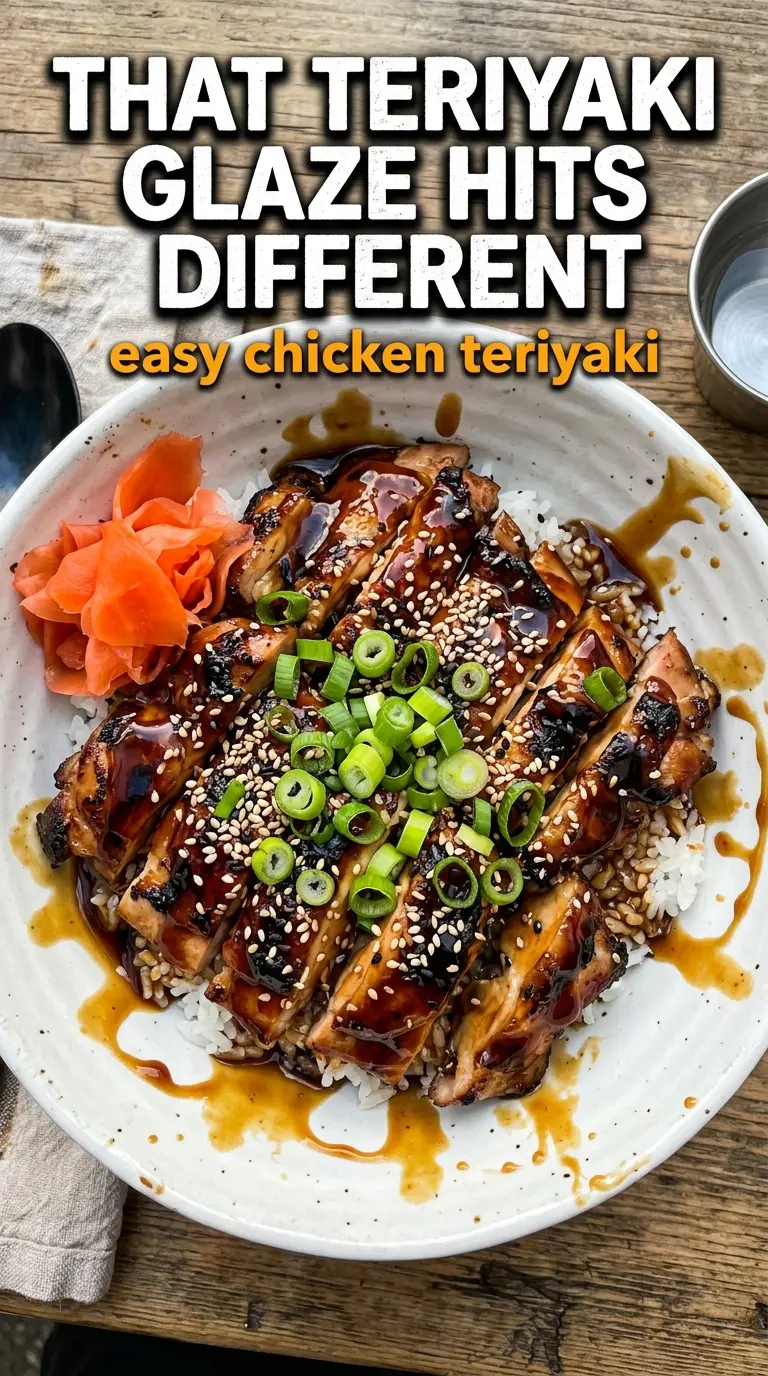
Glossy teriyaki chicken earns its place in the weeknight rotation when the glaze clings in a shiny coat and the edges pick up just enough char to taste smoky without going bitter. The sweet-salty balance lands right where you want it, and the chicken stays juicy instead of drying out under high heat.
What makes this version work is the marinade structure. Soy sauce brings the salt and depth, mirin softens the sharp edges, and brown sugar with honey gives the sauce body so it can caramelize instead of running off the chicken. A short marinate is enough for flavor here; letting the chicken sit too long can make the surface too salty and the sugars more likely to scorch.
The notes below cover the one step people usually rush, how to keep the glaze from turning grainy, and a few smart swaps if you need to use what’s already in the pantry.
The marinade gave the chicken that classic teriyaki shine, and the reserved sauce thickened up into a glaze that actually coated the meat instead of pooling on the plate. My husband said it tasted better than takeout.
Save this glossy chicken teriyaki for nights when you want a sweet soy glaze, caramelized edges, and rice-bowl comfort without extra fuss.
The Part That Keeps the Glaze Glossy Instead of Burnt
Teriyaki looks simple, but the sauce punishes high heat faster than most people expect. The sugar in the marinade is doing two jobs at once: helping the chicken brown and helping the glaze cling. If the pan or grill is too hot, that sugar goes from shiny to sticky to scorched in a minute, and the difference shows up on the first bite.
The fix is straightforward. Marinate long enough for the chicken to pick up flavor, then cook over medium-high heat rather than screaming-hot heat. You want active sizzling, not furious popping. If you’re basting, do it near the end so the sauce can reduce on the surface instead of burning before the center of the chicken is cooked through.
What Each Ingredient Is Actually Doing in This Dish
- Chicken thighs or breasts — Thighs stay juicier and handle the sugar in the marinade a little better, which is why I reach for them when I want the easiest path to tender results. Breasts work too, but they need a closer eye on cook time or they dry out before the glaze finishes.
- Soy sauce — This is the backbone of the dish. Use a good-tasting soy sauce because there isn’t much masking it here; low-sodium works if that’s what you keep on hand, but the finished glaze may need a touch more reduction to taste balanced.
- Mirin or rice wine — This adds the gentle sweetness and roundness that make teriyaki taste like teriyaki instead of just salty soy sauce. If you’re using rice wine, add a little extra sugar to match the sweetness mirin naturally brings.
- Brown sugar and honey — These give the glaze body and help it lacquer the chicken. Honey helps the sauce stay glossy, while brown sugar adds a deeper caramel note; swapping in only white sugar makes the sauce taste flatter.
- Garlic and ginger — Fresh is worth it here. Powder won’t give the same bright bite, and that fresh edge keeps the sauce from tasting heavy once it reduces.
- Cornstarch — This is optional, but it turns the reserved marinade into a spoon-coating glaze instead of a thin sauce. Mix it into a cool or barely warm liquid first; if you dump it into a rolling boil, it clumps.
How to Marinate, Sear, and Finish Without Losing the Glaze
Building the Marinade
Whisk the soy sauce, mirin, brown sugar, honey, garlic, and ginger until the sugar is dissolved as much as possible. You want the mixture smooth before the chicken goes in so the seasoning distributes evenly. Reserve a portion before the raw chicken touches anything, because that saved sauce is what you’ll use for basting or thickening later. If you forget to reserve it first, don’t boil the marinade the chicken sat in unless you’re prepared to reduce it long enough to be safe and concentrated.
Letting the Chicken Pick Up Flavor
Coat the chicken and let it sit for 30 minutes to 2 hours. That window gives you noticeable flavor without pushing the surface into overly salty territory. If you marinate much longer, especially with thinner pieces or breasts, the texture can turn a little too firm on the outside. Pat off excess marinade before cooking so the sugars brown instead of steaming in a wet layer.
Cooking to a Sticky Sear
Grill or pan-cook the chicken over medium-high heat until it releases cleanly and the surface is deeply browned at the edges. Baste in the last few minutes, not from the start, so the glaze has time to thicken rather than burn. Chicken thighs usually take about 6 to 7 minutes per side, while breasts may finish sooner depending on thickness. If the glaze starts to darken too fast, pull the heat back a notch and let the remaining cooking happen more gently.
Turning the Reserved Sauce Into Glaze
Simmer the reserved marinade in a small pan with cornstarch until it turns shiny and lightly thickened. It should coat a spoon and leave a visible line when you run a finger through it. If it looks cloudy or loose, it needs another minute or two. If it gets too thick, whisk in a splash of water before serving so it drizzles instead of setting up like candy.
How to Adapt This Teriyaki Chicken for Different Nights
Dairy-Free and Naturally Gluten-Free
This recipe is already dairy-free. For a gluten-free version, use tamari or a certified gluten-free soy sauce in place of standard soy sauce. The flavor stays close, though tamari tends to taste a little rounder and less sharp, which works beautifully with the sweet glaze.
Using Chicken Breasts Without Drying Them Out
Breasts work well if you pound them to an even thickness or slice large ones into cutlets. That gives you more control over the cook time and keeps the glaze from overcooking before the center is done. Pull them as soon as they hit temperature; the carryover heat finishes the job.
Swapping the Grill for a Skillet
A heavy skillet gives you the same caramelized edges with less weather dependence. Use enough oil to keep the sugars from sticking, and don’t crowd the pan or the chicken will steam instead of browning. The sauce will still reduce into a shiny coating, just with a little more concentrated pan flavor.
Making It Ahead for Meal Prep
Cook the chicken and glaze it just enough to coat, then store the rice and garnish separately. The glaze thickens as it chills, so a small splash of water or broth loosens it back up when reheating. This keeps the chicken from getting gummy and stops the sesame seeds and green onions from going limp.
Storage and Reheating
- Refrigerator: Store leftovers in an airtight container for up to 4 days. The glaze will thicken and darken a bit as it chills.
- Freezer: It freezes well for up to 2 months. Freeze the chicken and sauce together, then thaw overnight in the refrigerator so the glaze doesn’t separate from sudden heat.
- Reheating: Warm gently in a skillet over low heat with a splash of water to loosen the glaze. High heat is the fastest way to dry out the chicken and make the sugars in the sauce taste bitter.
Questions I Get Asked About This Recipe

Easy Chicken Teriyaki with Marinade
Ingredients
Equipment
Method
- In a bowl, combine soy sauce, mirin, brown sugar, honey, garlic, and ginger until the sugar dissolves and the mixture looks smooth. This creates a pourable sweet-soy base for the teriyaki glaze.
- Measure out and reserve 1/4 cup of the marinade for basting and thickening. Keep it separate so you can cook it down safely later.
- Add the chicken thighs or breasts to the bowl with the remaining marinade and turn to coat evenly. Cover and refrigerate for 30 minutes to 2 hours for best flavor.
- Preheat your grill to medium-high heat and lightly oil the grates. This helps the chicken develop caramelized edges.
- Place the marinated chicken on the grill and cook for 6-7 minutes per side, basting frequently with the reserved marinade. Grill until the surface is glossy and browned.
- If using a thicker glaze, simmer the reserved marinade in a small saucepan over medium heat until heated through, then whisk in cornstarch and continue simmering until thickened. Turn off the heat when it coats the back of a spoon.
- Serve the grilled teriyaki chicken drizzled with the glaze and garnished with sesame seeds and green onions. Let the sauce cling for a shiny, sweet-soy finish over rice.