Bacon-wrapped pork tenderloin comes off a pellet grill with the kind of contrast that makes people reach for a second slice before they’ve finished the first. The bacon turns crisp at the edges and smoky all the way through, while the pork stays tender and just a little pink in the center if you pull it at the right moment. It’s the sort of main dish that looks like it took a lot more effort than it did.
The trick is keeping the seasoning simple enough to let the smoke and bacon do their job, while still giving the pork a little sweetness and color. Brown sugar and paprika help the outside build a deep, savory crust, and the low pellet-grill temperature gives the bacon time to render instead of just tightening up and staying chewy. Tenderloin is lean, so the target temp matters more than the clock. That’s what keeps it juicy.
Below, I’ve added the exact timing cues I use when I smoke tenderloin on my pellet grill, plus a few smart variations for different pellet flavors and dietary tweaks. If bacon-wrapped pork has ever come out dry or the bacon stayed limp, the notes here will help you fix both problems.
The bacon crisped up without overcooking the pork, and the brown sugar rub gave it this great smoky-sweet crust. I checked it at 140°F, let it rest, and the slices stayed juicy all the way through.
Like this smoky bacon-wrapped pork tenderloin? Save it to Pinterest for the next time you want crisp bacon, juicy pork, and an easy pellet grill main dish.
The Bacon Is There for More Than Looks — It Protects a Lean Cut
Pork tenderloin is lean enough that it can go from perfect to dry in a narrow window. Wrapping it in bacon helps insulate the meat and adds fat to baste the outside as it cooks, but that only works if you keep the grill low enough for the bacon to render slowly. If the heat is too high, the bacon tightens before it has a chance to crisp and the pork finishes before the wrap has done much of anything.
The other thing that matters here is restraint. A heavy rub or aggressive sauce can fight the smoke and make the bacon taste muddy. The brown sugar in this seasoning doesn’t turn it into a sweet pork recipe; it just helps the surface color and gives the bark a little shine while the paprika and garlic stay in the background.
- Pork tenderloin — This cut cooks fast and stays tender when you stop at 145°F. Don’t swap in pork loin without changing the timing, because loin is thicker, denser, and needs a longer cook.
- Bacon — Thin-cut bacon wraps and renders better here than thick-cut. Thick bacon can stay rubbery by the time the pork is done.
- Brown sugar — It helps the rub cling and caramelize. If you leave it out, you’ll lose some color and that subtle sticky edge on the crust.
- Apple or hickory pellets — Apple gives a milder smoke that plays nicely with bacon, while hickory brings a deeper BBQ note. Mesquite is too aggressive unless you like a heavier smoke profile.
What Each Ingredient Is Actually Doing in This Pork Recipe
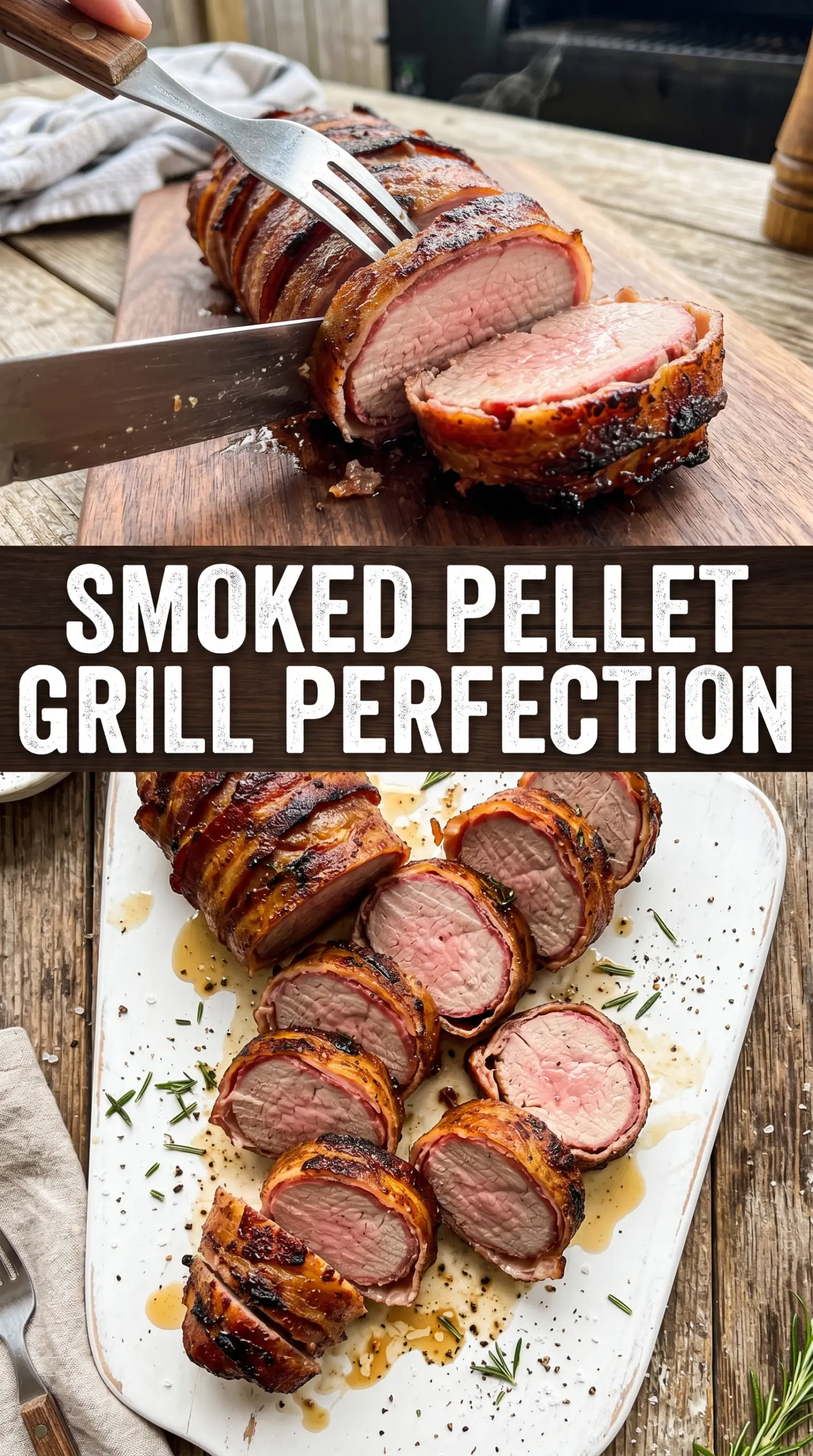
- Pork tenderloin (the lean cut) — This is the most tender pork cut available, and it cooks quickly. It stays best when cooked to 145°F instead of overdone.
- Bacon (the fat and flavor) — Wrapping tenderloin in bacon protects the lean meat from drying out while adding smokiness and richness.
- Salt and pepper (proper seasoning) — These simple seasonings let the pork’s flavor shine. Don’t skip the salt; it seasons the meat all the way through.
- Maple or bourbon glaze (the finish) — Sweet glazes caramelize on the outside and complement the pork’s natural flavor without overpowering it.
- Garlic and herbs (the aromatics) — Fresh or dried herbs add complexity. Rosemary, thyme, and sage all work beautifully with pork.
- Smoke from wood chips (the character) — Smoking adds depth that you can’t get from oven-roasting. Choose mild woods like apple or cherry for pork.
- Resting time (at least 10 minutes) — The meat continues cooking slightly while resting, and the juices settle back in instead of running onto the board.
- Proper temperature (145°F is ideal) — Pork is safe at this temperature and stays juicy. Higher temperatures dry it out before the carryover cooking brings it to temperature.
Getting the Bacon Rendered Before the Pork Dries Out
Mixing the Rub
Stir the brown sugar, paprika, garlic powder, onion powder, salt, and pepper until the sugar breaks up and the mixture looks even. If the brown sugar has hard clumps, press them out with the back of a spoon so you don’t end up with sugary pockets that burn in one spot. The rub should look sandy and smell warm and savory before it ever touches the meat.
Wrapping the Tenderloins
Rub the seasoning all over the pork first, then wrap each tenderloin with bacon slices, overlapping them slightly as you go. The overlap matters because bacon shrinks while it cooks, and gaps will open if you stretch it too much. Keep the wrap snug, not tight enough to squeeze the pork into a smaller shape.
Smoking at 225°F
Set the pellet grill to 225°F and let the tenderloins smoke until the internal temperature reaches 145°F, which usually takes 60 to 90 minutes depending on thickness. The bacon should look rendered and browned, with crisp edges and a little sheen from the fat. If the bacon is still pale when the pork hits temp, leave the tenderloins on for a few more minutes and watch them closely; tenderloin is forgiving for a short finish, but it dries out fast once it goes past the target.
Resting Before Slicing
Let the meat rest for 10 minutes before cutting into it. That pause keeps the juices from flooding out the first time the knife hits the roast. Slice across the grain into thick pieces so you can see the bacon wrap and the pink center in each serving.
Changing the Smoke, the Sweetness, or the Diet Without Losing the Point
Use maple instead of brown sugar
Maple sugar or a light brush of maple syrup gives the crust a softer sweetness and a slightly deeper aroma. Syrup browns faster than dry sugar, so use a light hand or it can darken before the pork finishes.
Make it lower-carb
Skip the brown sugar and keep the paprika, garlic, onion, salt, and pepper. You’ll lose a little color and the lightly sticky crust, but the bacon and smoke still carry the dish nicely.
Switch the wood for a stronger smoke
If you want a more pronounced BBQ flavor, use hickory instead of apple. The pork still stays tender, but the finished meat tastes a little more rustic and less sweet-smoky.
Storage and Reheating
- Refrigerator: Store sliced pork in an airtight container for up to 3 days. The bacon softens a little, but the meat stays good for leftovers.
- Freezer: Freeze tightly wrapped portions for up to 2 months. Thaw in the refrigerator so the pork doesn’t lose more juice when it reheats.
- Reheating: Warm slices gently in a covered skillet over low heat or in a 300°F oven until just heated through. High heat dries out tenderloin fast and makes the bacon tough.
Questions I Get Asked About This Recipe
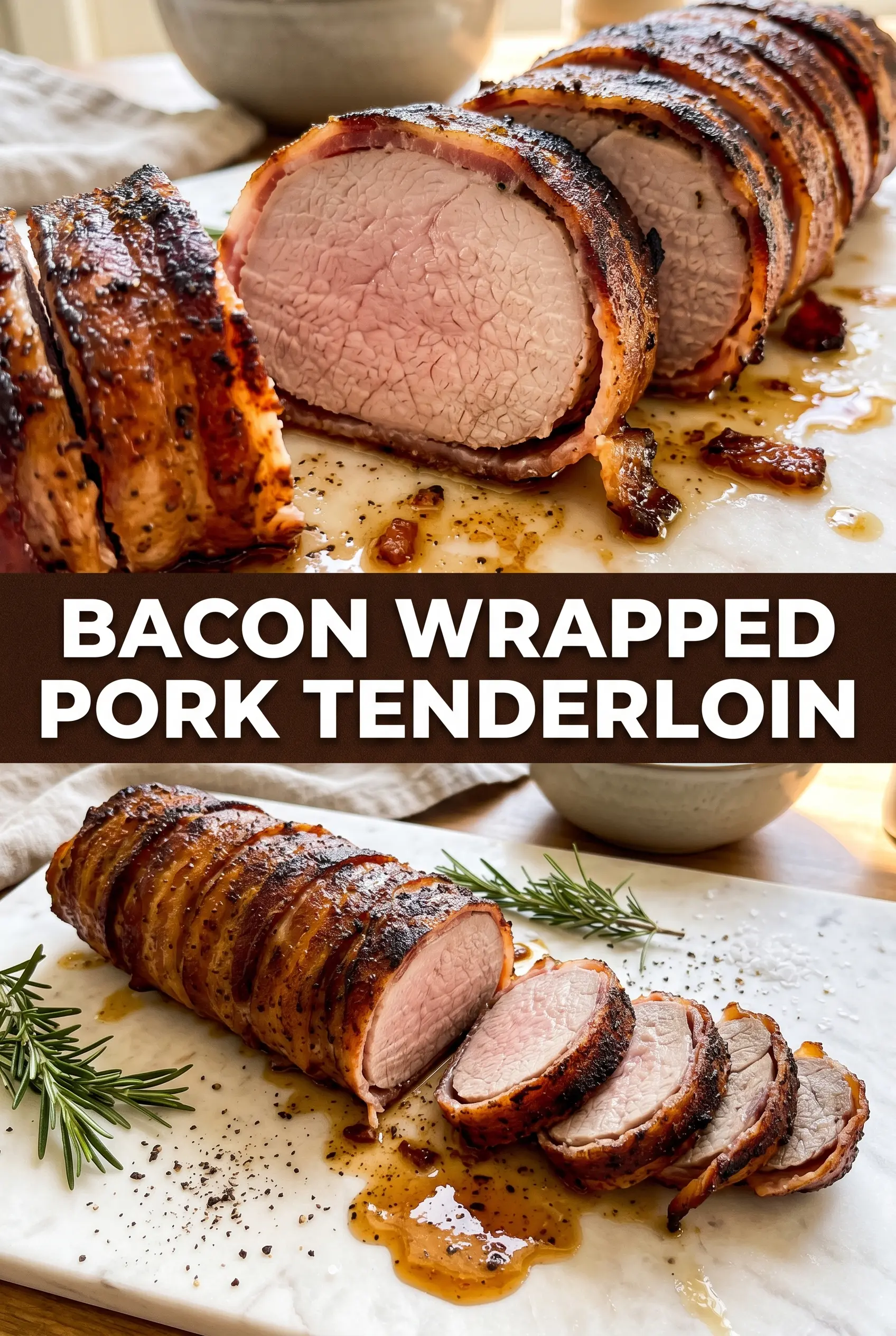
Pellet Grill Smoked Bacon Wrapped Pork Tenderloin
Ingredients
Equipment
Method
- Mix brown sugar, paprika, garlic powder, onion powder, salt, and pepper in a bowl until evenly combined and speckled.
- Rub the spice mixture all over the tenderloins, pressing lightly so it adheres.
- Wrap each tenderloin with bacon slices, overlapping slightly so the seams stay covered as it cooks.
- Preheat the pellet grill to 225°F using apple or hickory pellets.
- Smoke the tenderloins for 60-90 minutes, until the internal temperature reaches 145°F and the bacon looks rendered and crisp at the edges.
- Let the tenderloins rest 10 minutes before slicing so juices settle and the center stays tender.