Perfectly grilled salmon earns a permanent spot on the table when the skin goes crisp, the flesh stays tender, and the whole fillet lifts cleanly from the grates. The best part is how little it takes to get there. A short marinade, a hot grill, and a little patience while the first side cooks are enough to turn a simple piece of fish into dinner that feels restaurant-level without any fuss.
This version keeps the seasoning simple because salmon already brings plenty to the party. Olive oil carries the lemon, garlic, and Dijon across the surface, while the brief rest gives the fish enough time to pick up flavor without starting to cure or turn mushy. The real trick is letting the skin do its job on the grill; once it crisps and releases on its own, the fish has enough structure to flip without falling apart.
Below, I’ve included the small details that matter most: how to keep the salmon from sticking, what the marinade is actually doing, and how to tell when it’s done without overcooking it.
The skin got crisp without sticking, and the salmon stayed flaky and moist even after the flip. The lemon-Dijon marinade was light but packed with flavor, and 8 minutes on the grill was exactly right for my fillets.
Save this grilled salmon with crispy skin and lemon-Dijon marinade for an easy seafood dinner that cooks in minutes.
The Trick to Keeping Salmon on the Grill Instead of in the Grates
Most grilled salmon problems start before the fish ever hits the grates. If the grill isn’t hot enough, the skin clings and tears. If the grates aren’t oiled well, the same thing happens. Salmon needs direct heat and enough time to form a crust before you even think about moving it. That crust is what tells you the fillet is ready to release.
Skin-on fillets work best here because the skin protects the flesh from the hottest part of the grate and gives you a built-in barrier against sticking. The other detail that matters is thickness. Even fillets cook more evenly, while very thin tails can overcook before the center finishes. If your salmon is on the thinner side, pull it a minute early and let the carryover heat finish the job.
What the Marinade Is Doing in Just 15 Minutes
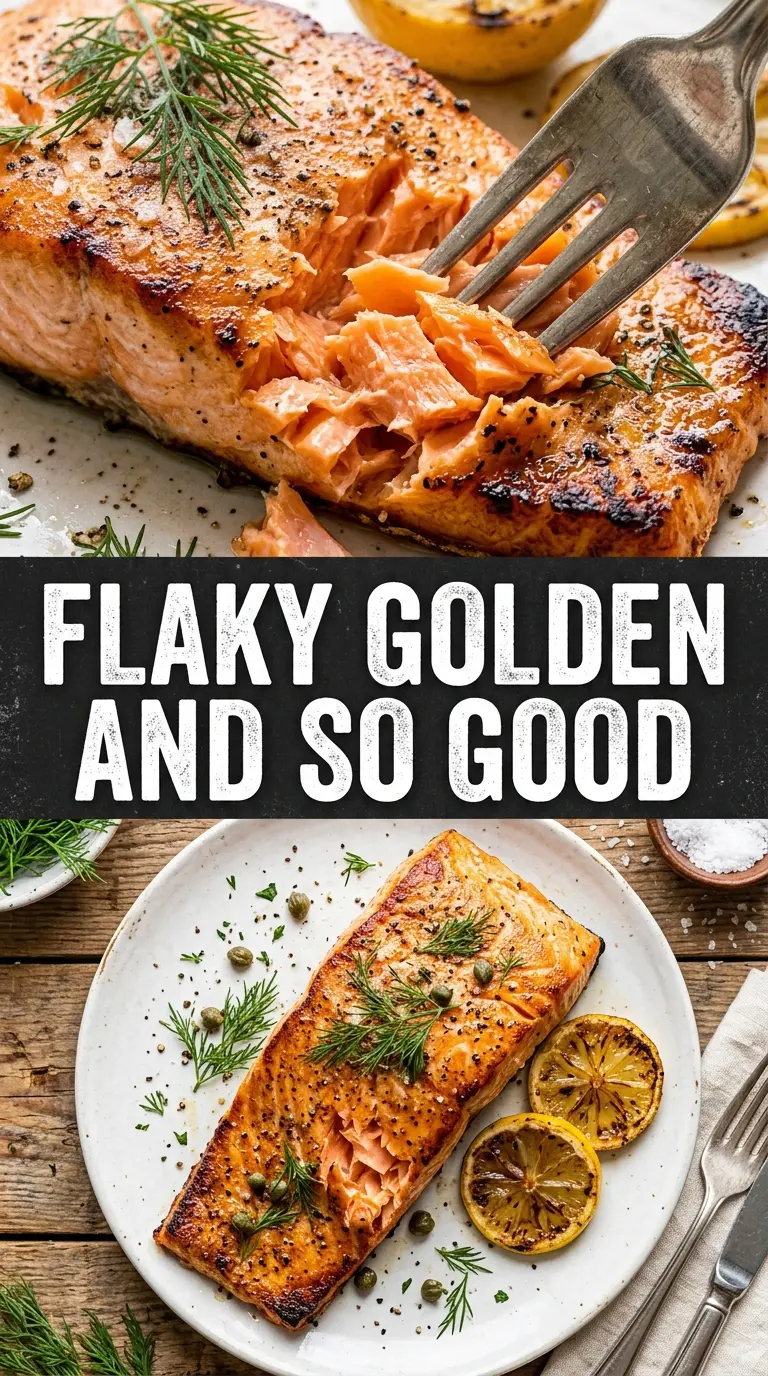
- Salmon fillets — Skin-on fillets hold together better on the grill and help protect the delicate flesh. If you only have skinless salmon, grill it on well-oiled foil or a grill mat, because it’s much more likely to stick and break when you flip it.
- Olive oil — This helps the marinade spread evenly and gives the salmon a little extra protection against the heat. A neutral oil works in a pinch, but olive oil adds a rounder flavor that fits the lemon and dill.
- Lemon juice — A little acidity brightens the fish, but too much time in lemon juice can start to change the texture on the surface. Fifteen minutes is the sweet spot here; any longer and the salmon can begin to look opaque and slightly firm before it even cooks.
- Dijon mustard — Dijon doesn’t make the salmon taste like mustard. It gives the marinade body, helps it cling to the fish, and adds a subtle savory backbone that keeps the flavor from tasting flat.
- Fresh dill — Dill belongs with salmon because it stays fresh and grassy instead of overpowering the fish. Dried dill works in a pinch, but use less of it and don’t expect the same bright finish.
Getting the Skin Crisp Before You Ever Flip It
Mix the Marinade Until It Looks Smooth
Stir the olive oil, lemon juice, garlic, Dijon, salt, and pepper until the mixture looks emulsified and slightly thickened. If the oil and lemon keep separating, the mustard hasn’t fully carried the mixture yet, so whisk another few seconds. This matters because a broken marinade slides off the fish instead of coating it.
Let the Salmon Sit Briefly
Brush the marinade over the fillets and let them rest for 15 minutes, skin-side down if you can. That short rest gives the surface time to absorb flavor without softening the flesh too much. Longer isn’t better here; salmon is delicate, and too much acid starts to change the texture before it reaches the grill.
Leave It Alone on the First Side
Preheat the grill to medium-high and oil the grates well, then place the salmon skin-side down and don’t move it for 6 to 8 minutes. If you try to lift it too early, the skin can tear and the fish will stick. You’re looking for the edges to turn opaque and the fillet to release cleanly with a thin spatula or tongs.
Finish with a Fast Flip
Once the skin is crisp, flip carefully and cook for 2 to 3 minutes more, just until the center reaches the doneness you like. The fish should flake easily but still look moist in the middle. If the salmon is turning dry or chalky, it stayed on the second side too long; that last stretch goes fast.
Lime and Herb Finish
Swap the lemon juice for lime juice and finish the grilled salmon with chopped cilantro instead of dill. The result is brighter and a little sharper, with a more citrus-forward edge that works well with rice or grilled corn.
Garlic-Free Version
Leave out the garlic and add an extra pinch of pepper plus a little lemon zest. You lose some of the savory depth, but the salmon still tastes clean and fresh, which is useful if you’re cooking for someone who doesn’t want garlic on a weeknight.
Dairy-Free and Gluten-Free as Written
This recipe already fits both dairy-free and gluten-free eating without any changes. The key is checking your Dijon label if you’re sensitive to gluten, because some brands are cleaner than others.
Cooking for a Crowd
Keep the salmon fillets close in size so they finish at the same time. If you’re grilling a bigger batch, cook them in two rounds rather than crowding the grate, because too many cold fillets at once drop the grill temperature and the skin won’t crisp as well.
Storage and Reheating
- Refrigerator: Store leftovers in an airtight container for up to 2 days. The skin won’t stay crisp, but the salmon will still be good for salads, rice bowls, or flaked into pasta.
- Freezer: Cooked grilled salmon freezes fine for up to 1 month if you wrap it tightly and keep out as much air as possible. The texture softens a bit after thawing, so I use frozen leftovers for mixed dishes rather than serving them plain.
- Reheating: Warm it low and slow in a covered skillet over low heat or in a 275°F oven until just heated through. High heat dries salmon out fast, and that’s the main mistake that turns leftovers chalky.
Answers to the Questions Worth Asking
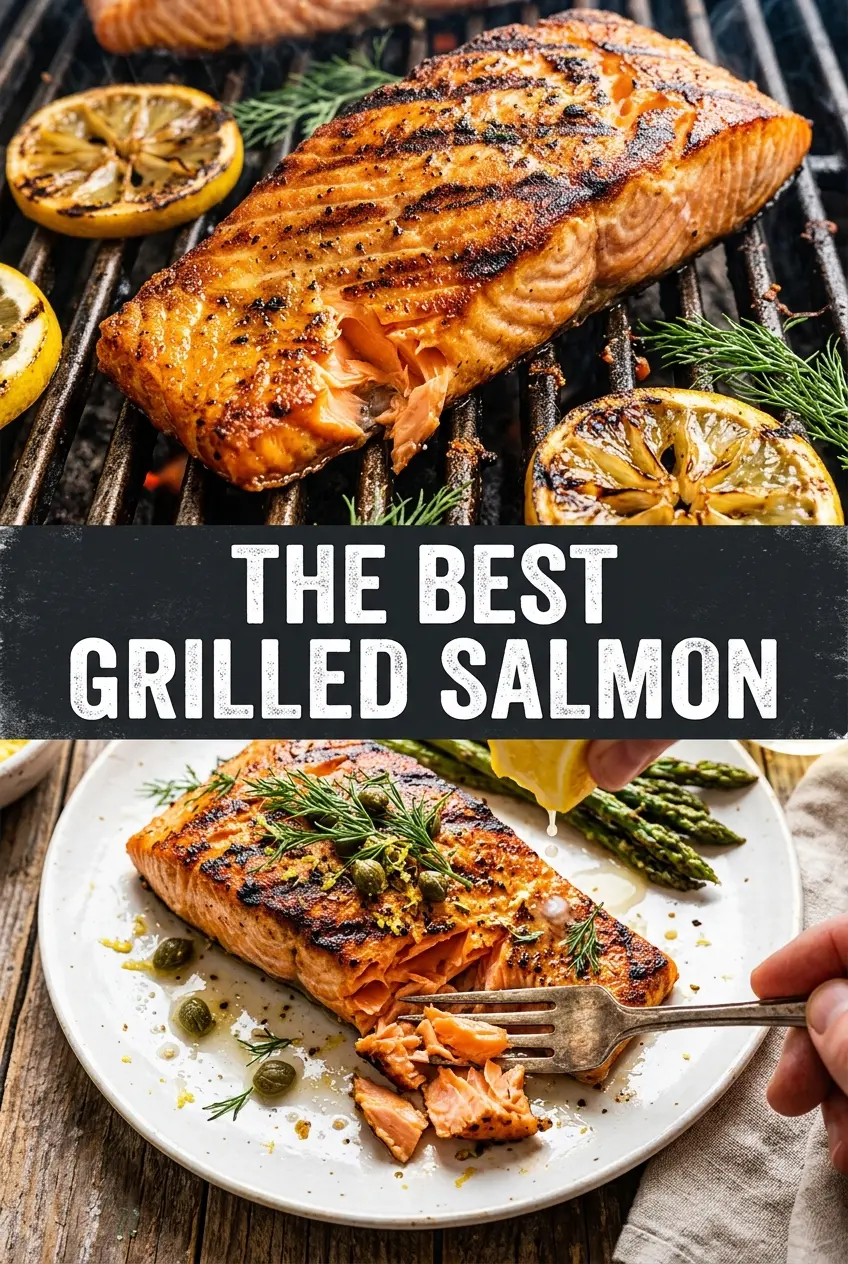
The Best Grilled Salmon
Ingredients
Equipment
Method
- In a small bowl, mix olive oil, lemon juice, minced garlic, Dijon mustard, salt, and pepper until combined.
- Taste and adjust seasoning, then keep the marinade ready for the salmon.
- Brush the salmon fillets all over with the marinade, making sure the skin is well coated.
- Let the salmon sit for 15 minutes to marinate before grilling.
- Preheat the grill to medium-high heat and oil the grates well so the skin doesn’t stick.
- Place the salmon on the grill skin-side down and close the lid if possible.
- Grill skin-side down for 6-8 minutes without moving, until the skin is crisp and releases easily.
- Carefully flip the salmon and grill for 2-3 minutes, until cooked to your desired doneness with firm edges and tender flakes.
- Transfer the salmon to plates and serve immediately with fresh dill and lemon wedges.