Bacon Ranch Chicken Foil Packets come out with the kind of built-in payoff that makes dinner feel handled before the first packet even hits the grill. The chicken stays juicy, the bacon bastes everything as it cooks, and the potatoes pick up all that ranchy, smoky drippings along the way. When you open the foil and the cheese starts melting over the top, it’s the sort of meal that gets people leaning over the table before you’ve even set the packets down.
What makes this version work is the way everything cooks together without fighting for space or timing. The potatoes go in small so they finish when the chicken does, and the broccoli gets tucked in close enough to steam without turning limp and gray. Heavy-duty foil matters here, too. Thin foil tears, leaks, and lets the steam escape, which means you lose both heat and that little pocket of flavor the packet creates.
Below you’ll find the timing that keeps the chicken tender, the one foil mistake that causes most leaks, and a few useful swaps if you need to adjust for what’s in your kitchen.
The bacon rendered just enough to keep the chicken moist, and the potatoes were tender right on schedule. I opened one packet a minute early and the cheese melted perfectly once I resealed it.
Save these bacon ranch chicken foil packets for campfire dinners or easy grill nights when you want chicken, potatoes, and broccoli all finished in one sealed packet.
The Packet Leak That Ruins the Steam
Foil packets work because they trap heat and moisture, but they only work when the seal is tight enough to hold that steam in. If the packets are loosely folded or the foil is too thin, the juices leak out and the chicken dries before the potatoes have time to soften. That’s why heavy-duty foil earns its keep here. It’s not about convenience. It’s about keeping the packet intact over direct heat.
The other mistake is packing everything too thickly in the center. When the potatoes and broccoli are spread out around the chicken in a single layer, they cook at the same pace instead of sitting in a cold pile while the meat overcooks. The chicken should sit in the middle like the anchor, with the vegetables tucked around it so the steam can move through the whole packet.
- Heavy-duty aluminum foil — Regular foil tears too easily once the packet is moved on the grate. Heavy-duty foil holds its shape and gives you a cleaner seal, which matters a lot more than most people think.
- Baby potatoes — Halving them is what gets them tender in the same window as the chicken. Larger chunks stay firm unless you par-cook them first.
- Broccoli florets — These cook fast and pick up the ranch and bacon flavor best when they’re tucked near the chicken, not buried under the potatoes.
- Bacon — Two slices per breast is enough to baste the chicken without making the packet greasy. Thin bacon works fine, but very thick-cut bacon may need a few extra minutes to render properly.
What Each Ingredient Is Actually Doing in These Foil Packets
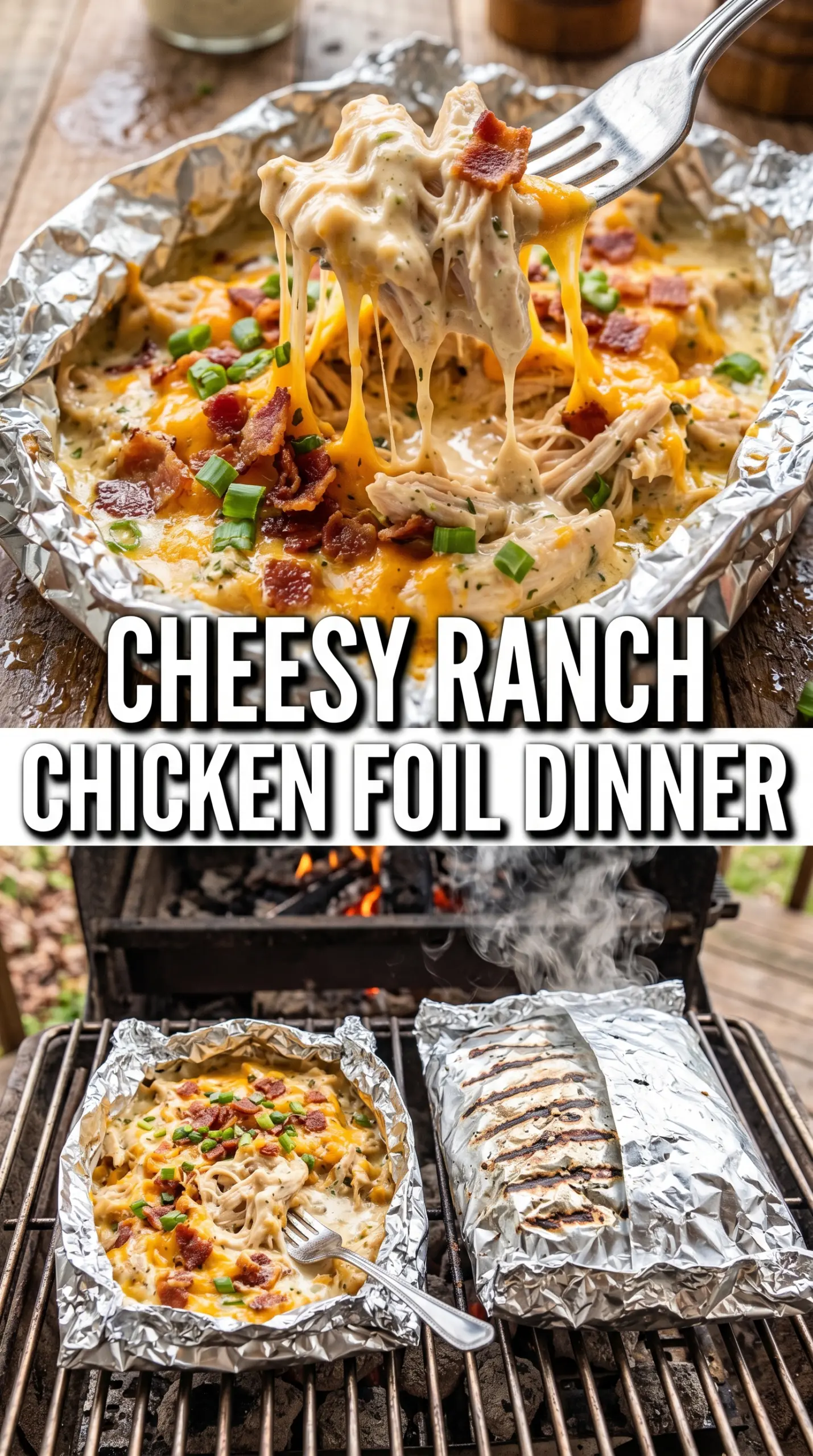
- Foil packets (the containment and cooking vessel) — Heavy-duty foil keeps everything together and steams the ingredients gently. Double-wrap to prevent holes.
- Protein (chicken, beef, or pork) — Cut into even pieces so everything cooks at the same rate. Thinner pieces cook faster in the steam environment.
- Fresh vegetables (bell peppers, onions, zucchini) — Cut to similar sizes so they finish at the same time. Vegetables release their own moisture, which becomes the cooking liquid.
- Seasoning and salt (proper flavor throughout) — Don’t skimp on seasoning because the steaming environment can make flavors taste muted. Season generously.
- Butter or oil (the cook and carrier) — A little fat helps prevent sticking and carries flavor throughout the packet. It also keeps the ingredients from drying out.
- Fresh herbs (cilantro, parsley, or dill) — These add freshness to packets that can otherwise taste heavy or one-dimensional. Add some before sealing.
- Acidic element (lemon, lime, or vinegar) — A squeeze of fresh juice brightens the steamed ingredients and prevents them from tasting flat or muted.
- Proper heat management (medium to high campfire heat) — Packets need steady heat to steam evenly. Rotate them halfway through so both sides cook equally.
Building the Packet So Everything Finishes Together
Seasoning the Chicken First
Lay each chicken breast on its own sheet of foil and sprinkle the ranch seasoning directly over the top. That seasoning hits the meat before anything else goes in, so the chicken gets flavor even if the vegetables stay fairly simple. If the chicken breasts are uneven, pound the thick end slightly so the packet cooks at the same rate from edge to center.
Wrapping With Bacon and Tucking in the Vegetables
Wrap each breast with two slices of bacon, then arrange the potatoes and broccoli around it. Keep the vegetables close to the chicken, not piled on top of it, or the top layer won’t soften before the center is done. The bacon should overlap enough to stay put during cooking, but not so tightly that it prevents the chicken from steaming inside the packet.
Sealing and Cooking Over Medium Heat
Fold the foil into a tight sealed packet and place it on the campfire grate or grill over medium heat. You’re looking for steady heat, not a hard blast of flame, because high heat can char the bacon before the chicken reaches 165°F. Open one packet carefully near the end if you need to check doneness; the steam is hot and the juices should run clear when the chicken is ready.
Melting the Cheese at the End
Once the chicken is cooked through, open the packets, sprinkle the cheese over the top, and reseal them briefly so the heat can melt it. This last step is what gives you that gooey finish without overcooking the chicken. If the packet is left open too long, the steam escapes and the cheese just sits there instead of melting into the bacon and vegetables.
How to Adapt These Foil Packets Without Losing the Good Parts
Dairy-Free Version
Skip the cheddar at the end and finish with a little extra ranch seasoning or chopped parsley instead. You lose the creamy melt on top, but the packets still taste complete because the bacon and ranch carry most of the flavor.
Gluten-Free Check
Use a ranch seasoning mix that’s labeled gluten-free, since that’s the ingredient most likely to vary by brand. The cooking method doesn’t need to change at all.
Swapping the Vegetables
Green beans, sliced zucchini, or bell peppers all work if you need to use what’s in the fridge. Just keep in mind that softer vegetables cook faster than potatoes, so they’ll turn tender sooner and may need to be added a little later if you want them to keep some bite.
Oven Version
Bake the sealed packets on a sheet pan at 400°F until the chicken reaches 165°F. You’ll get the same all-in-one result without the smoke from the grill, though the bacon won’t have quite the same campfire edge.
Storage and Reheating
- Refrigerator: Store leftovers in an airtight container for up to 3 days. The potatoes soften a bit more as they sit, but the flavor holds well.
- Freezer: These freeze, but the broccoli turns soft after thawing, so I only freeze them if I’m okay with a softer texture. Wrap tightly and freeze for up to 2 months.
- Reheating: Reheat covered in a 325°F oven until warmed through. The biggest mistake is using the microwave too long, which dries the chicken and makes the bacon rubbery before the center is hot.
Questions I Get Asked About This Recipe
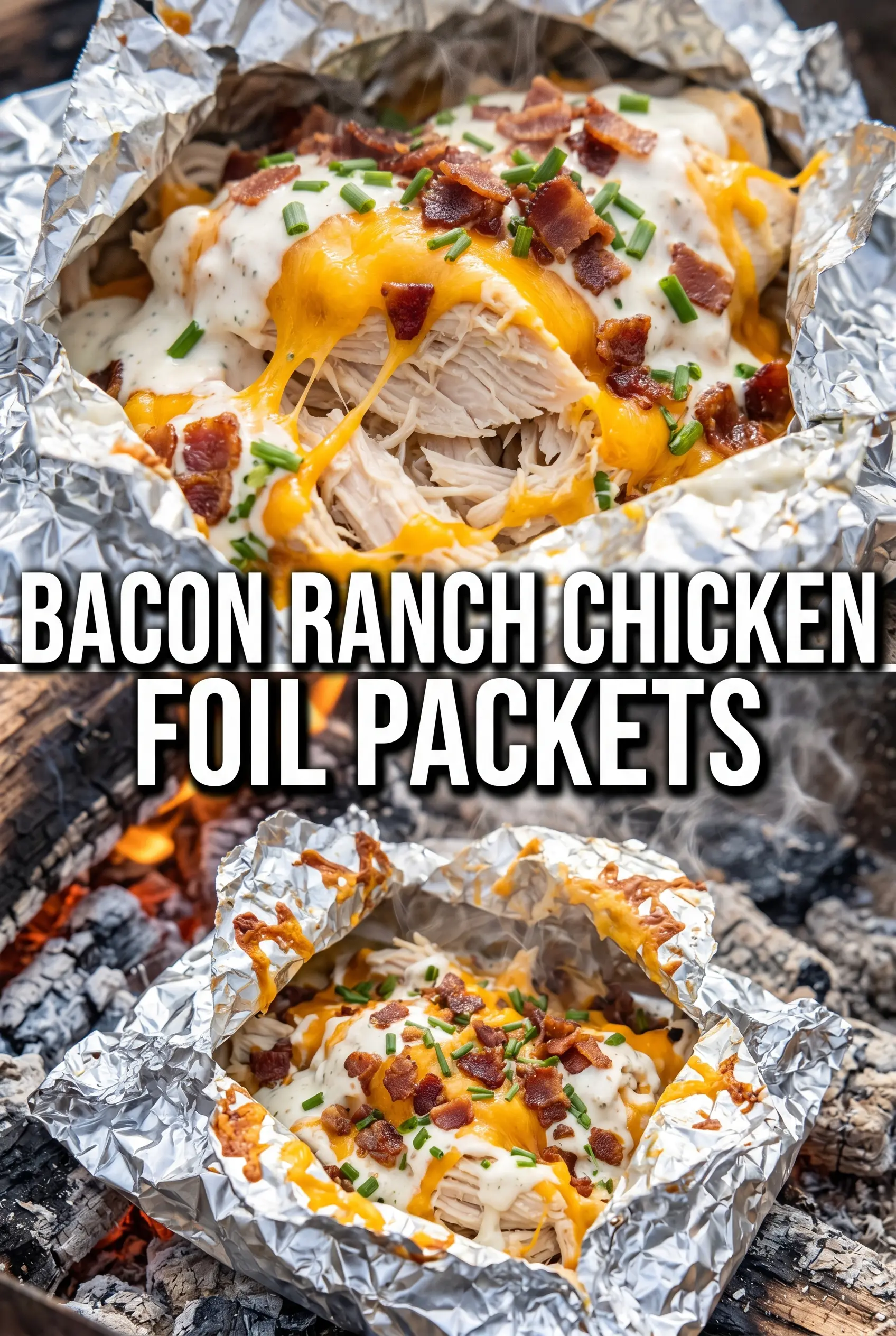
Bacon Ranch Chicken Foil Packets
Ingredients
Equipment
Method
- Place each chicken breast in the center of a sheet of heavy-duty aluminum foil, then sprinkle with the ranch seasoning mix so it coats the top surface (visual cue: seasoning looks evenly scattered).
- Wrap each chicken breast with 2 slices of bacon, pressing lightly to help the bacon adhere to the sides (visual cue: bacon forms a band around the chicken).
- Add the halved baby potatoes and broccoli florets around the chicken in the foil so they sit close to the meat (visual cue: vegetables are tucked into the packet edges, not piled high).
- Fold the foil up and over to fully seal each packet, then crimp the edges tightly (visual cue: no gaps are visible at the seams).
- Place the packets on a campfire grate over medium heat for 20-25 minutes, leaving them undisturbed (visual cue: steam lifts from the foil and the bacon looks lightly crisped).
- Check doneness by opening one packet carefully and confirming the chicken reaches 165°F in the thickest part (visual cue: the interior is cooked through with no pink).
- Open each packet and sprinkle shredded cheddar cheese over the chicken and vegetables (visual cue: cheese starts to fall and settle in a thin layer).
- Reseal the packet briefly just long enough to melt the cheese, then serve immediately (visual cue: cheese turns glossy and smooth).