Tender, lemony Greek chicken with a deep herb finish earns its place in the regular dinner rotation because it stays juicy on the grill and tastes bright without turning sharp. The outside picks up a little char, the inside stays succulent, and every bite carries garlic, oregano, and that clean citrus edge that keeps you going back for one more piece.
The trick is in the marinade balance. Olive oil carries the herbs and protects the surface from drying out, while lemon juice and zest bring the Greek character without needing a long ingredient list. Four hours is enough to season the meat well; much longer than that and the acidity can start to work against the texture, especially with smaller cuts.
Below, I’ve included the one timing detail that keeps the chicken from drying out on the grill, plus a few smart swaps if you’re cooking with thighs, breasts, or different herbs. It’s a simple method, but the small choices matter here.
The chicken stayed incredibly juicy and the lemon oregano marinade grilled up with the best little char marks. I marinated it overnight and it sliced cleanly without any dryness at all.
Like this grilled Greek chicken? Save it to Pinterest for a juicy lemon-oregano dinner with crisp char and easy prep.
The Marinade Window That Keeps Greek Chicken Juicy, Not Mushy
The biggest mistake with lemon-based chicken is treating the marinade like it can sit forever. Acid seasons the meat fast, but past a day it starts changing the texture in a way that reads soft instead of tender. For this recipe, four to 24 hours is the sweet spot, and the chicken needs time in the fridge so the oil, citrus, garlic, and oregano can settle into the surface evenly.
Grill over medium-high heat, not blazing heat. If the fire is too aggressive, the outside browns before the inside finishes, and that’s how you end up with dry chicken that still looks perfect on the outside. Pull it when it reaches 165°F in the thickest part, then rest it for five minutes so the juices stay in the meat instead of spilling out on the cutting board.
- Chicken pieces — Thighs stay the juiciest and forgive a little extra heat, while breasts cook faster and need closer attention. If you use mixed pieces, put the larger, thicker cuts on first so everything finishes together.
- Olive oil — This isn’t just for flavor. It carries the herbs across the meat and helps the surface brown without drying out too quickly.
- Lemon juice and zest — The juice seasons the chicken; the zest gives you the brighter lemon aroma that survives the grill. Don’t skip the zest, because juice alone tastes flatter after cooking.
- Fresh oregano — Fresh oregano gives the cleanest Greek flavor, but dried works well if that’s what you have. Use half as much dried as fresh, and crush it between your fingers before whisking it in so the oils wake up.
What Each Ingredient Is Actually Doing in This Recipe
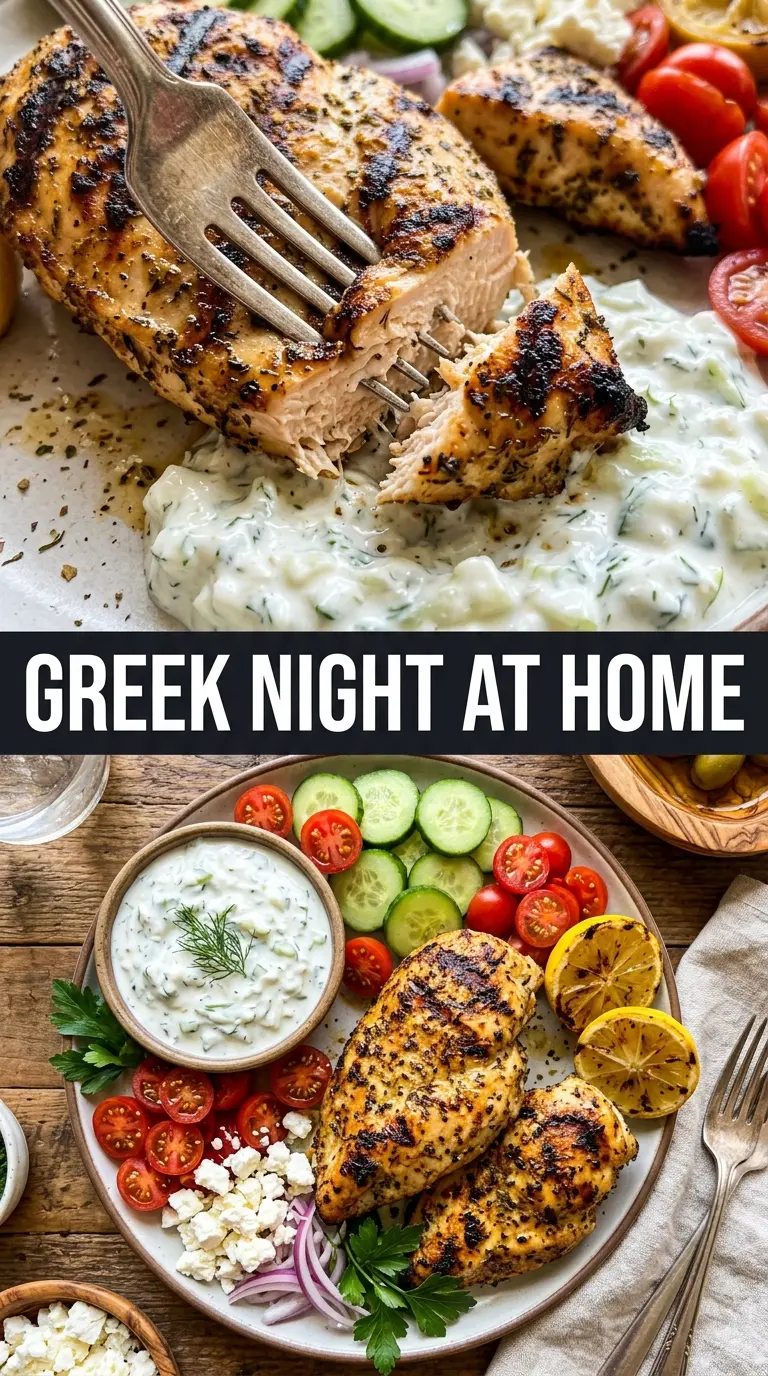
- Primary ingredient (the foundation) — This is the star of the dish and carries most of the flavor. Quality matters here more than anywhere else.
- Salt and pepper (the seasonings that matter most) — These enhance all other flavors without masking them. Apply generously; underseasoned dishes taste flat.
- Fat (butter, oil, or from the meat) — Fat carries flavors and keeps the dish from tasting dry. It’s also what makes food taste delicious and satisfying.
- Acid (lemon, lime, vinegar, or tomato) — Acid brightens the dish and prevents it from tasting one-dimensional or heavy. It also helps balance rich flavors.
- Aromatics (garlic, onion, ginger) — These add depth and complexity. They mellow and become sweet when cooked, different from their raw state.
- Spices or herbs (the personality) — These give the dish its character and make it distinctive. Toast them to bloom their flavors or add fresh ones to finish.
- Supporting ingredients (vegetables, proteins) — These add texture, nutrition, and complementary flavors. They should support the star ingredient, not compete with it.
- Proper cooking technique (heat, time, stirring) — Even with great ingredients, technique determines the final result. Pay attention to temperature and timing.
Building the Greek Flavor Before the Chicken Hits the Grill
Whisking the Marinade Until It Smells Sharp and Herbal
Start by whisking the olive oil, lemon juice, zest, garlic, oregano, thyme, salt, and pepper until the mixture looks unified and slightly cloudy. That tells you the oil and citrus have emulsified enough to coat the chicken instead of sliding off. If the garlic sits in clumps, it will scorch on the grill, so break it up well before the chicken goes in.
Marinating for Flavor Without Softening the Meat
Coat the chicken thoroughly and turn it once or twice during the marinating time so every piece gets the same exposure. Four hours gives you a clean Greek flavor; overnight deepens the seasoning and works especially well for thighs. If you go much beyond 24 hours, the texture can turn a little slack around the edges, especially on boneless cuts.
Grilling to a Clean Sear and a Juicy Center
Preheat the grill and oil the grates so the chicken releases instead of tearing. Cook over medium-high heat until you get defined grill marks and the chicken lifts cleanly from the grates, then flip once. The most common failure here is moving the pieces too soon; if they stick, give them another minute and let the crust finish forming.
Resting Before You Slice
Transfer the chicken to a board and let it sit for five minutes before cutting. That short rest keeps the juices from rushing out the moment the knife hits the meat. If you slice too early, the board catches all the flavor you worked for and the chicken eats drier than it should.
What to Change When You Want This Greek Chicken a Little Different
Boneless chicken breasts
Use breasts if you want a leaner meal, but shorten the grill time and watch the temperature closely. They dry out faster than thighs, so pull them as soon as they hit 165°F and let them rest before slicing. The flavor stays bright, but the texture will be a little less forgiving.
Dairy-free and naturally gluten-free
This recipe already fits both of these needs as written, which makes it a strong weeknight option when you’re feeding mixed diets. Serve it with rice, potatoes, or a simple Greek salad, and you’ve got a full meal without any extra adjustments.
Oregano and thyme swaps
If you’re out of fresh oregano, dried oregano is the closest match and gives you the same Greek backbone. A little rosemary can stand in for part of the thyme, but use it lightly because it takes over fast and pulls the flavor away from the classic lemon-oregano profile.
Storage and Reheating
- Refrigerator: Store leftovers in an airtight container for up to 4 days. The lemon flavor stays bright, though the grilled edges soften a bit.
- Freezer: Freeze cooked chicken for up to 2 months. Wrap it well and thaw in the refrigerator so the texture stays as close to fresh as possible.
- Reheating: Warm gently in a covered skillet over low heat with a splash of water or broth. High heat dries out grilled chicken fast, so reheat just until warmed through.
Questions I Get Asked About This Recipe
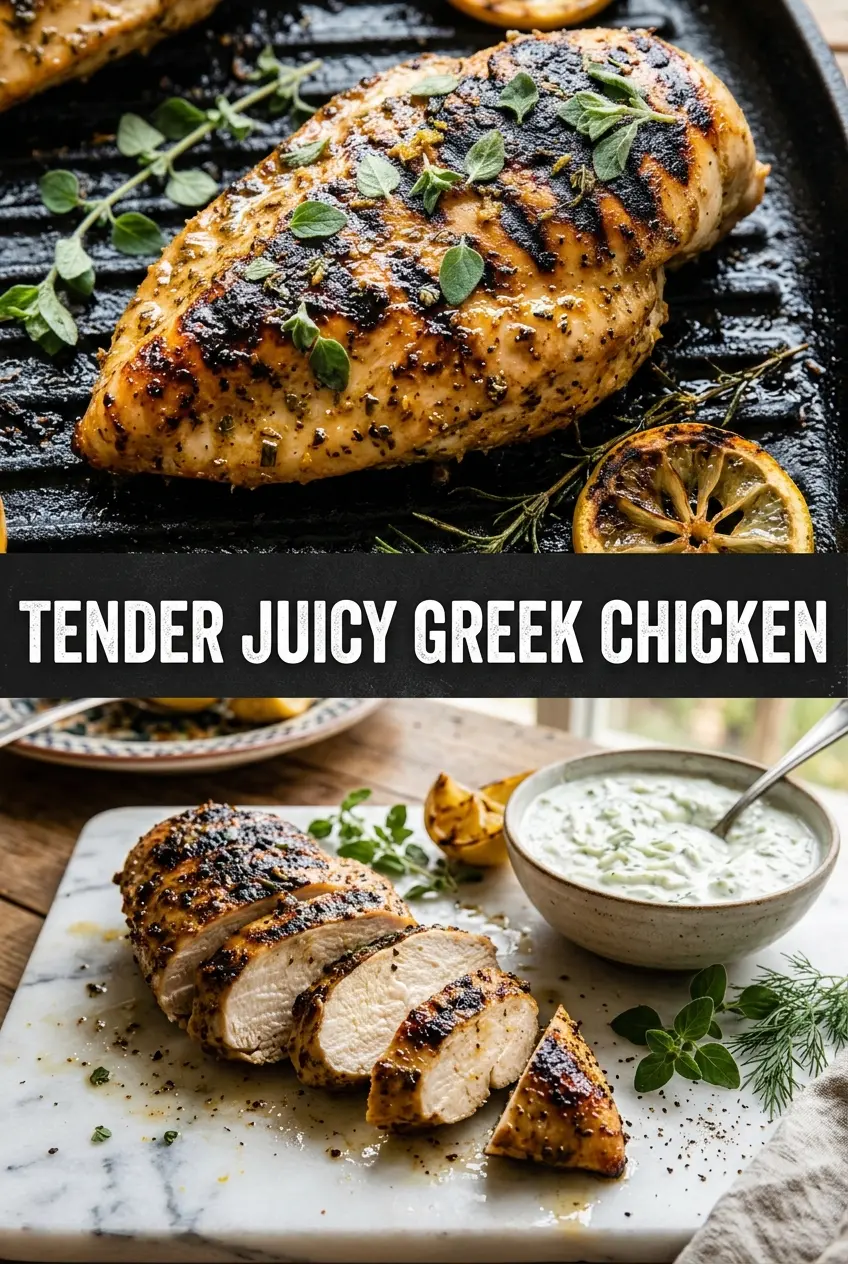
Juicy Greek Chicken
Ingredients
Method
- Whisk together olive oil, lemon juice, lemon zest, garlic, fresh oregano (or dried oregano), dried thyme, salt, and pepper until evenly combined (about 30 seconds).
- Add chicken pieces to the marinade and coat thoroughly, then cover and refrigerate for 4 to 24 hours. Visual cue: the chicken should look glossy and evenly seasoned.
- Preheat the grill to medium-high heat, then grill chicken until the internal temperature reaches 165°F. Visual cue: grill marks appear and juices run clear as it finishes cooking.
- Let the chicken rest 5 minutes before serving to keep it juicy. Visual cue: the surface settles and the chicken firms up slightly.