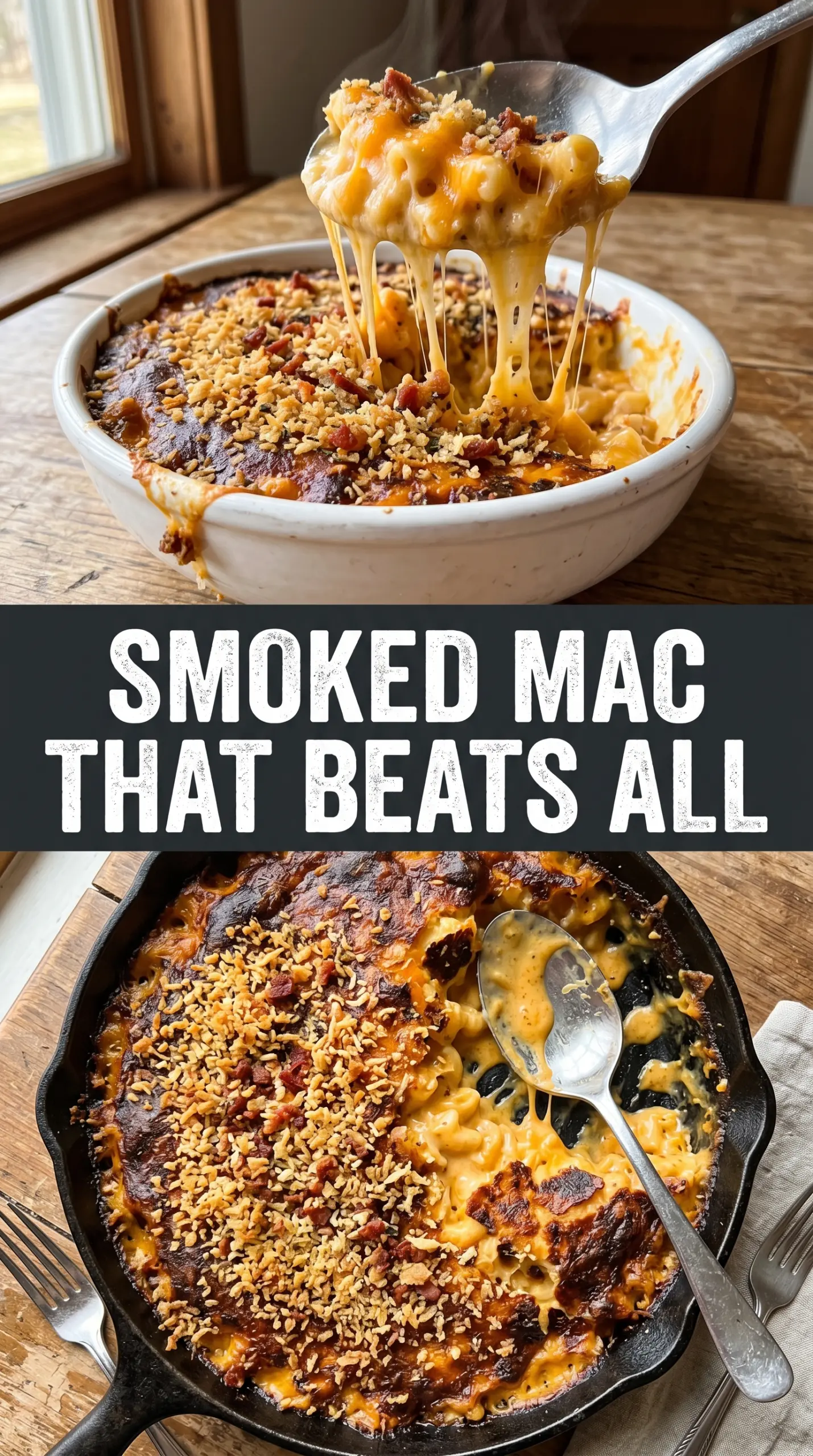
Ultra-creamy smoked mac and cheese earns its place on a barbecue table fast: the pasta stays tender, the sauce turns rich and silky, and the top finishes with that buttery, crisp layer everyone goes after first. The smoke doesn’t overpower the cheese here. It settles in behind it, giving the dish a deep, savory edge that makes it feel right at home next to ribs, brisket, or pulled pork.
What makes this version work is the balance between a proper stovetop cheese sauce and low, slow smoker time. A roux gives the sauce body, whole milk and cream keep it lush, and using a mix of sharp cheddar and Gouda brings both bite and meltability. The panko topping is there for contrast, not decoration, and it only works because the mac and cheese is smoked long enough for the edges to bubble and the top to bronze without drying out underneath.
Below, I’ll walk through the little choices that keep the sauce smooth and the topping crisp, plus the best way to adapt it if you need to swap cheeses or make it ahead for a crowd.
The cheese sauce stayed silky all the way through the smoke, and the panko top turned crisp without getting greasy. I served it with pulled pork, and it was the first pan emptied.
Like this smoked mac and cheese? Save it to Pinterest for your next BBQ when you want a creamy, smoky side with a crisp golden lid.
The Sauce Breaks If You Rush the Heat
The biggest mistake in smoked mac and cheese is treating the cheese sauce like it needs a hard boil to come together. It doesn’t. The sauce should be built gently, with enough heat to thicken the roux and melt the cheese smoothly, but not so much heat that the dairy turns grainy before it ever reaches the smoker. If the pan is bubbling hard when the cheese goes in, pull it back. That one move saves the texture.
The other trap is overdrying the pasta before it hits the smoker. You want the macaroni cooked through but still firm, because it keeps absorbing sauce as it smokes. If you start with mushy pasta, the final dish turns heavy instead of creamy. This version stays rich because the sauce is loose enough going in to finish thickening in the pan.
What Each Cheese Is Actually Doing Here
- Sharp cheddar — This brings the punch. It gives the sauce the familiar mac and cheese flavor and enough tang to cut through the cream. Pre-shredded cheddar works in a pinch, but freshly shredded melts smoother and gives you fewer grainy spots.
- Gouda — Gouda is the melt helper. It stretches the sauce into that glossy, spoon-coating texture and adds a mild smokiness that fits the smoker without fighting it. If you swap it, use another good melting cheese like Monterey Jack or fontina, but expect a slightly less rounded finish.
- Whole milk and heavy cream — The milk gives the sauce volume; the cream gives it body. Using both keeps the dish rich without turning it into paste. Lower-fat dairy will work, but the sauce will set firmer and lose some of that lush, barbecue-side comfort.
- Panko breadcrumbs — Panko gives the top its crunch. Regular breadcrumbs can work, but panko browns lighter and stays crisp longer in the smoker. Mixing it with melted butter keeps it from drying out before the top color develops.
Building the Pan So the Top Browns and the Center Stays Creamy
Starting the Roux
Melt the butter first, then whisk in the flour and cook it long enough that it smells a little nutty and loses the raw flour edge. That step matters because undercooked roux tastes pasty in the finished sauce. Keep the heat moderate and whisk constantly; if the mixture darkens too fast, the sauce will pick up a toasted flavor that doesn’t belong here.
Turning It Into Cheese Sauce
Whisk in the milk and cream gradually so the sauce stays smooth instead of lumpy. Let it thicken enough to coat a spoon, then take the pan lower before adding the cheese. If you dump the cheese into a sauce that’s too hot, the fat can separate and you’ll get a greasy layer instead of a unified sauce. Stir until the cheddar and Gouda disappear into one glossy pot.
Getting the Smoker Finish Right
Once the macaroni and sauce are combined in the pan, top it with the buttered panko and move it to the smoker at 225°F. You’re looking for steady bubbling around the edges and a top that turns deeply golden, not burnt. If the top browns before the center is hot, loosely tent it with foil and keep going. Letting it rest for 10 minutes is part of the recipe, not an afterthought; it gives the sauce time to settle so it serves creamy instead of running across the plate.
How to Adapt It Without Losing the Creamy Smoke
Gluten-Free Swap
Use your favorite gluten-free elbow pasta and thicken the sauce with a 1:1 gluten-free flour blend. The texture stays close to the original, but you’ll want to watch the pasta a little more closely so it doesn’t split or turn soft during the smoke.
Dairy-Lighter Version
You can replace the heavy cream with more whole milk, but the sauce will be a little less plush and will set more firmly after smoking. Keep the cheddar in place if you can, because that sharpness helps the dish still taste full-bodied without the extra cream.
Different Cheese Blend
If Gouda isn’t on hand, swap in Monterey Jack, fontina, or provolone for good melt and a smoother finish. You’ll lose some of that subtle smoky richness from the Gouda, so add a touch more black pepper or a pinch of smoked paprika if you want the flavor to stay bold.
Make-Ahead for a BBQ Crowd
You can assemble the mac and cheese a few hours ahead, cover it, and hold it in the fridge until smoking time. Add the panko topping just before it goes on the smoker so it stays crisp, not damp. The dish will need a few extra minutes in the smoker if it goes in cold.
Storage and Reheating
- Refrigerator: Store covered for up to 4 days. The sauce will firm up as it chills, which is normal.
- Freezer: It freezes, but the texture changes a bit after thawing. Freeze in portions for up to 2 months and expect a slightly looser sauce once reheated.
- Reheating: Reheat covered in a 325°F oven with a splash of milk to loosen the sauce. The mistake to avoid is blasting it uncovered in the microwave, which dries the edges before the center warms through.
Answers to the Questions Worth Asking
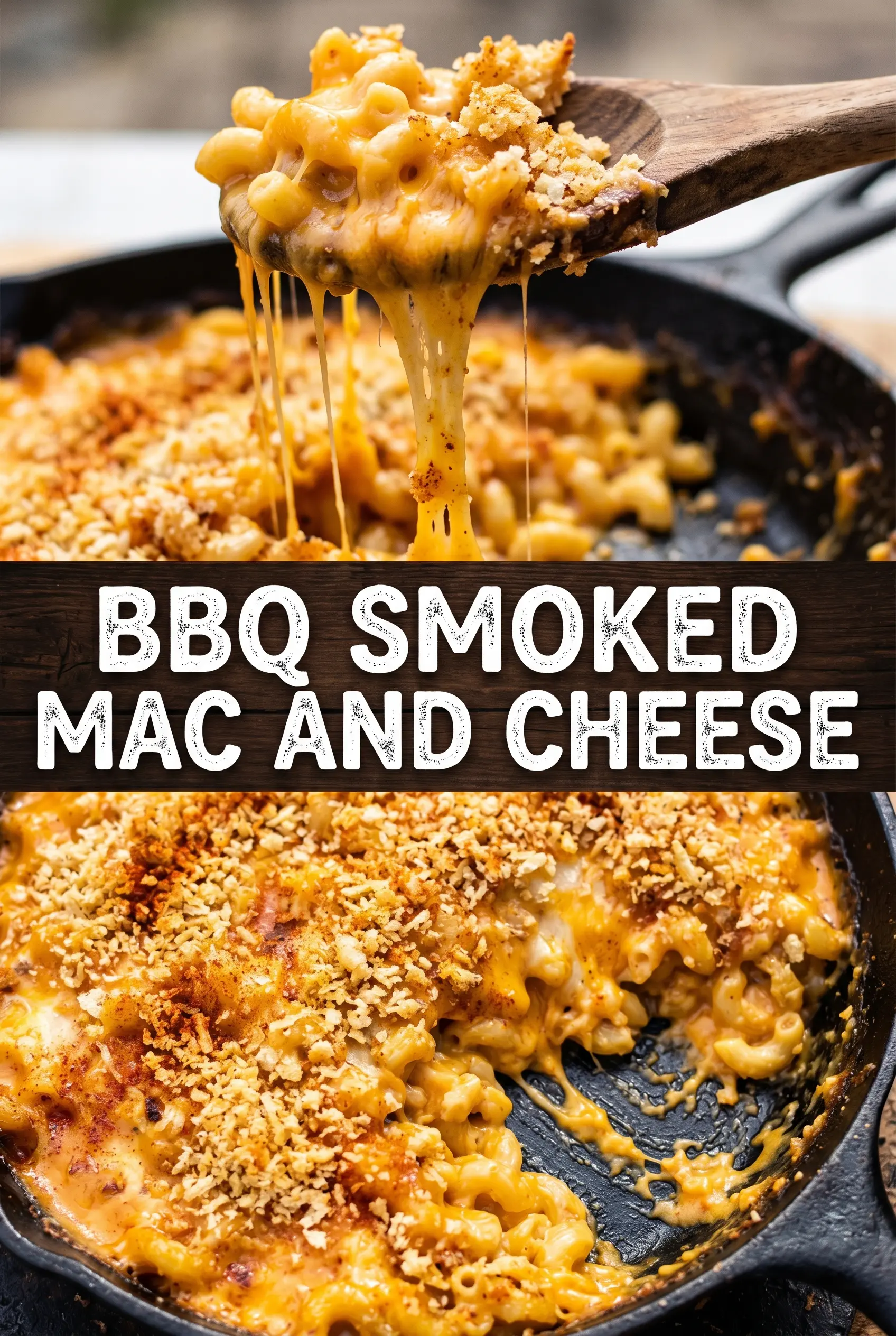
Groark Boys BBQ Smoked Mac and Cheese
Ingredients
Equipment
Method
- Prepare smoker to 225°F with your choice of wood, keeping the chamber steady for even heating. Look for consistent smoke before you move on.
- Melt butter in a cast iron skillet over medium heat until fully foamy, then whisk in the flour. Cook, whisking, for 1-2 minutes to form a smooth roux with no dry spots.
- Whisk in the whole milk and heavy cream gradually, keeping the mixture smooth. Heat to a gentle simmer for 3-5 minutes until thick enough to coat the back of a spoon.
- Add the shredded sharp cheddar and Gouda, then stir until melted and glossy. Season with garlic powder, onion powder, and salt and pepper to taste.
- Mix the cooked elbow macaroni into the cheese sauce until every piece is coated. Transfer to a disposable aluminum pan.
- Combine panko breadcrumbs with the melted butter and sprinkle evenly over the top. Spread in a thin, even layer so it crisps and browns.
- Smoke at 225°F for 60-90 minutes until the mac and cheese is bubbling and the top turns golden. Visual cue: active bubbling around the edges and a browned panko crust.
- Let the mac and cheese rest for 10 minutes before serving so the sauce thickens. Look for the bubbling to settle into a creamy, cohesive texture.