Citrus-marinated chicken with a quick Key lime glaze hits the grill with the kind of bright, smoky edge that keeps it from tasting flat or heavy. The outside picks up char fast, while the inside stays juicy if you don’t rush the marinade or blast the heat too high. That sweet-tart balance is what makes this one stand out from standard grilled chicken.
The marinade does the heavy lifting here. Key lime juice brings sharpness, orange juice rounds it out, and honey helps the surface brown instead of drying out on the grill. Garlic and cumin give the chicken a little backbone so it tastes savory, not just citrusy. I’ve found this version works best when the chicken gets at least a couple of hours in the marinade and the grill is hot enough to sear without burning the sugars.
Below, I’m breaking down the part that matters most: how to get real grill flavor without turning the marinade into a scorched mess. There’s also a simple way to adapt it if you only have regular limes on hand.
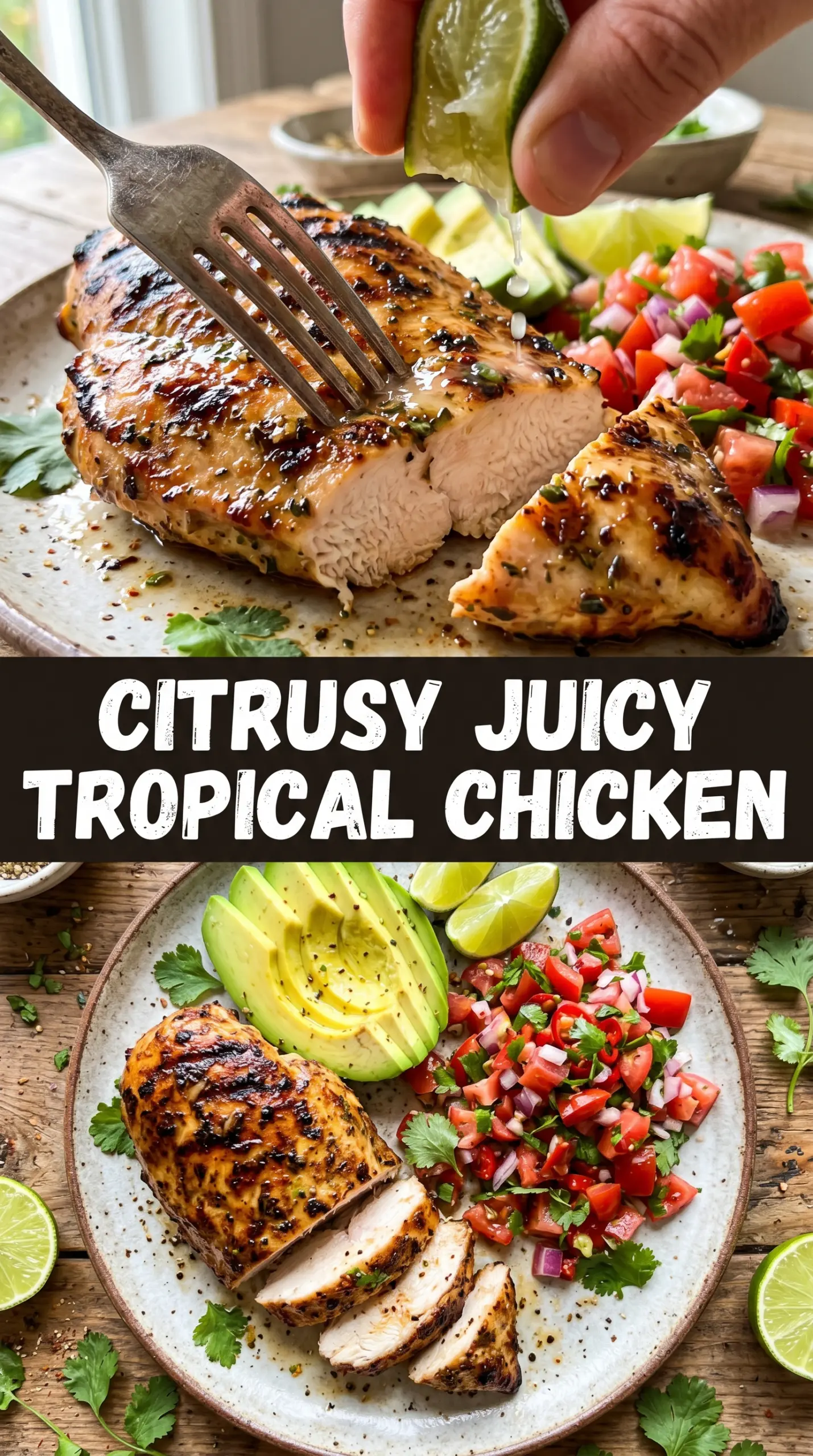
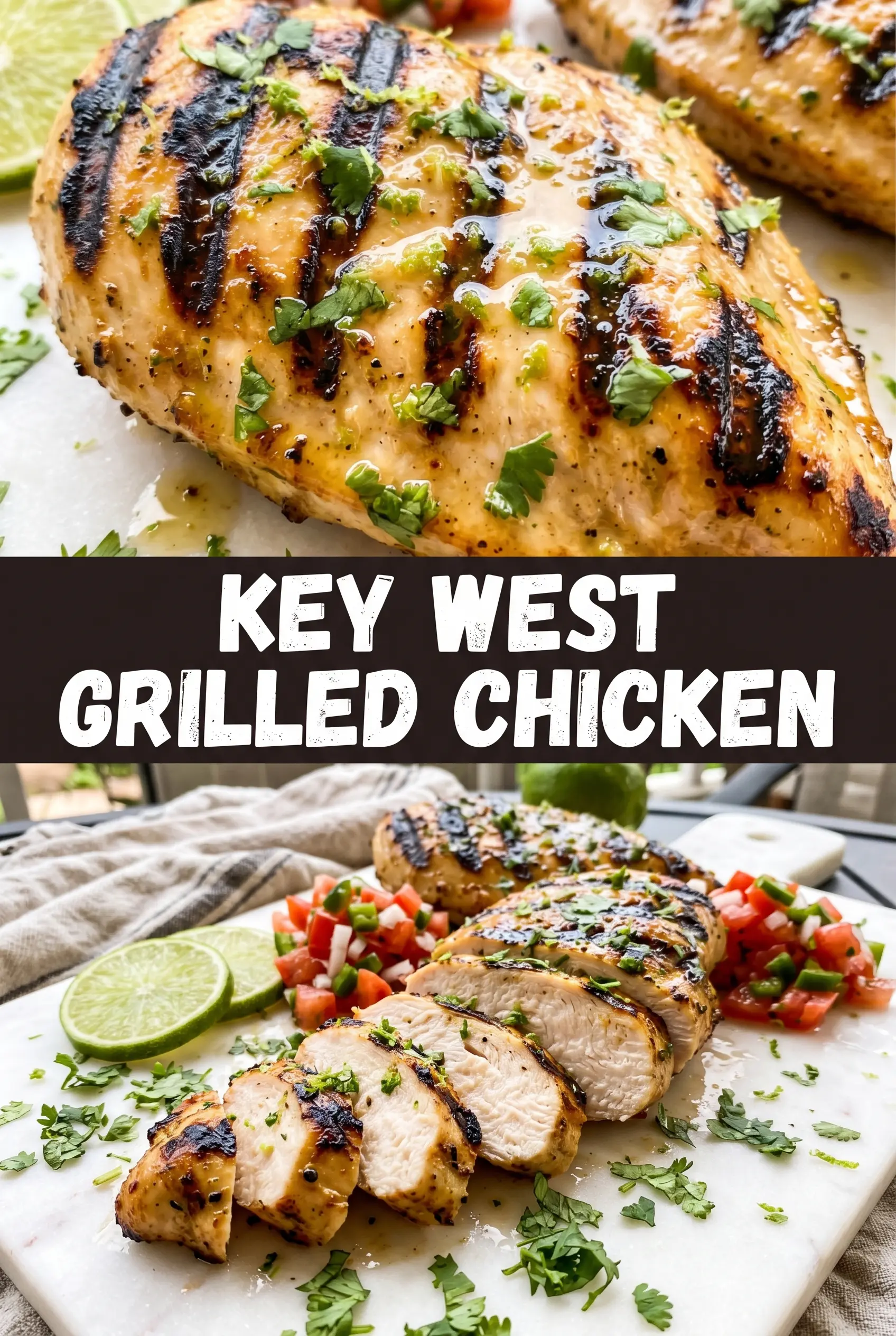
The chicken came off the grill with beautiful char and stayed juicy all the way through. The lime-citrus marinade made the flavor pop, and the honey helped it brown without sticking.
Save this Key West Grilled Chicken for the nights when you want bright citrus, smoky char, and a fast marinade that actually tastes like something.
The Part Most Grilled Chicken Gets Wrong: Flavor Before the Fire
The biggest mistake with grilled chicken like this is treating the grill as the place where flavor happens. It doesn’t. The flavor is built in the marinade, and the grill is only there to lock it in and add char. If the chicken goes on dry or under-marinated, you’ll get good grill marks and not much else.
Honey and citrus can work against you if the heat is too aggressive. The sugars brown fast, which is great, but they also burn fast. Medium-high heat gives you that dark, bronzed surface without turning the outside bitter before the inside reaches 165°F.
- Key lime juice — This gives the chicken the sharp, floral tang that makes the dish taste like Key West instead of generic citrus chicken. Regular lime works fine if that’s what you have, but Key lime is a little more aromatic and slightly less aggressive.
- Orange juice — Orange softens the lime’s acidity and helps the marinade feel rounded instead of harsh. Bottled juice can work in a pinch, but fresh juice tastes cleaner here.
- Honey — This is doing more than sweetening. It helps the chicken brown and gives the glaze-like sheen you want on the finished pieces.
- Olive oil — Oil helps carry the garlic and cumin across the surface of the chicken and keeps the marinade from tasting thin. A neutral oil also works, but olive oil gives the dish a little more richness.
- Chicken pieces — Thighs stay juicier on the grill, but breast meat works if you watch the temperature closely and pull it the second it hits 165°F. Bone-in pieces need a little longer and benefit from a more even grill zone.
What Each Ingredient Is Actually Doing in This Recipe
- Primary ingredient (the foundation) — This is the star of the dish and carries most of the flavor. Quality matters here more than anywhere else.
- Salt and pepper (the seasonings that matter most) — These enhance all other flavors without masking them. Apply generously; underseasoned dishes taste flat.
- Fat (butter, oil, or from the meat) — Fat carries flavors and keeps the dish from tasting dry. It’s also what makes food taste delicious and satisfying.
- Acid (lemon, lime, vinegar, or tomato) — Acid brightens the dish and prevents it from tasting one-dimensional or heavy. It also helps balance rich flavors.
- Aromatics (garlic, onion, ginger) — These add depth and complexity. They mellow and become sweet when cooked, different from their raw state.
- Spices or herbs (the personality) — These give the dish its character and make it distinctive. Toast them to bloom their flavors or add fresh ones to finish.
- Supporting ingredients (vegetables, proteins) — These add texture, nutrition, and complementary flavors. They should support the star ingredient, not compete with it.
- Proper cooking technique (heat, time, stirring) — Even with great ingredients, technique determines the final result. Pay attention to temperature and timing.
What Actually Happens in the Marinade, the Grill, and the Rest
Whisking the Marinade Until It Stays Emulsified
Mix the lime juice, orange juice, olive oil, garlic, honey, cumin, salt, and pepper until the honey stops sitting in streaks at the bottom. You want the mixture to look cloudy and unified, not separated into sharp liquid and oil. That matters because an even marinade coats the chicken more consistently, which means better browning later. If the honey is stubborn, whisk for another 20 seconds; don’t move on until it’s dissolved.
Marinating for Bright Flavor, Not Mushy Chicken
Add the chicken and turn it until every piece is coated, then cover and refrigerate for 2 to 6 hours. Less than 2 hours and the seasoning won’t have time to penetrate; much longer than 6 and the citrus can start to tighten the surface of the meat. If you’re using smaller pieces, stick closer to the low end of that range. Pull the chicken out of the fridge about 20 minutes before grilling so it cooks more evenly.
Grilling to 165°F Without Burning the Glaze
Lay the chicken on a medium-high grill and leave it alone long enough to develop real grill marks. If it sticks when you try to flip it, it isn’t ready yet. Turn it only once or twice, and keep an eye on any flare-ups from the honey in the marinade. The safest cue is temperature: 165°F in the thickest part, with the juices running clear and the surface deeply bronzed.
The Short Rest That Keeps It Juicy
Let the chicken rest for 5 minutes after it comes off the grill. That pause lets the juices settle back into the meat instead of running onto the cutting board the second you slice in. Finish with cilantro and lime wedges for a fresh hit that cuts through the char. Skip the rest and you’ll lose the juiciness you just worked for.
How to Adjust This Without Losing the Key West Character
Use regular limes instead of Key limes
Regular lime juice works well if Key limes aren’t available. The flavor will be a little more straightforward and less floral, so the orange juice matters even more for balance. Keep the amount the same and don’t add extra lime just to make up for the difference.
Make it dairy-free and gluten-free without changing the method
This recipe is naturally dairy-free and gluten-free as written, which is part of why it’s such an easy dinner to serve a crowd. Just double-check your honey and spices if you’re using a seasoned blend instead of straight cumin. The texture and grilling method stay exactly the same.
Swap in boneless chicken thighs for extra juiciness
Boneless thighs are the most forgiving cut here. They stay tender on the grill and handle the citrus marinade better than breasts if you’re distracted or cooking for a crowd. Expect a slightly richer result and a shorter cook time than bone-in pieces.
Turn it into a batch dinner for meal prep
Grill a full batch and slice the leftovers for bowls, salads, or wraps. The citrus flavor holds up well for a couple of days, though the char softens a bit in the fridge. Keep the garnish separate until serving so the herbs stay fresh.
Storage and Reheating
- Refrigerator: Store in an airtight container for up to 4 days. The citrus flavor stays bright, though the grilled exterior softens a bit.
- Freezer: Freeze cooked chicken for up to 2 months. Wrap it tightly or store it in a freezer bag with the air pressed out so it doesn’t pick up freezer taste.
- Reheating: Reheat gently in a covered skillet over low heat or in a 300°F oven until warmed through. High heat dries out grilled chicken fast, so don’t chase speed here.
Questions I Get Asked About This Recipe
Key West Grilled Chicken
Ingredients
Equipment
Method
- In a bowl, whisk together Key lime juice, orange juice, olive oil, garlic, honey, cumin, salt, and pepper until smooth and glossy.
- Whisk the mixture again to fully dissolve honey and distribute garlic so the chicken grills evenly.
- Place chicken pieces in a resealable container or shallow dish and pour the marinade over top, turning to coat.
- Cover and refrigerate to marinate for 2-6 hours for maximum citrus flavor.
- Preheat the grill to medium-high heat, then clean the grates lightly if needed.
- Grill the chicken over medium-high heat until it reaches an internal temperature of 165°F, turning as needed for visible char on multiple sides.
- Transfer chicken to a plate and let rest 5 minutes to keep juices in the meat.
- Finish with fresh cilantro and lime wedges for a bright tropical look and flavor.