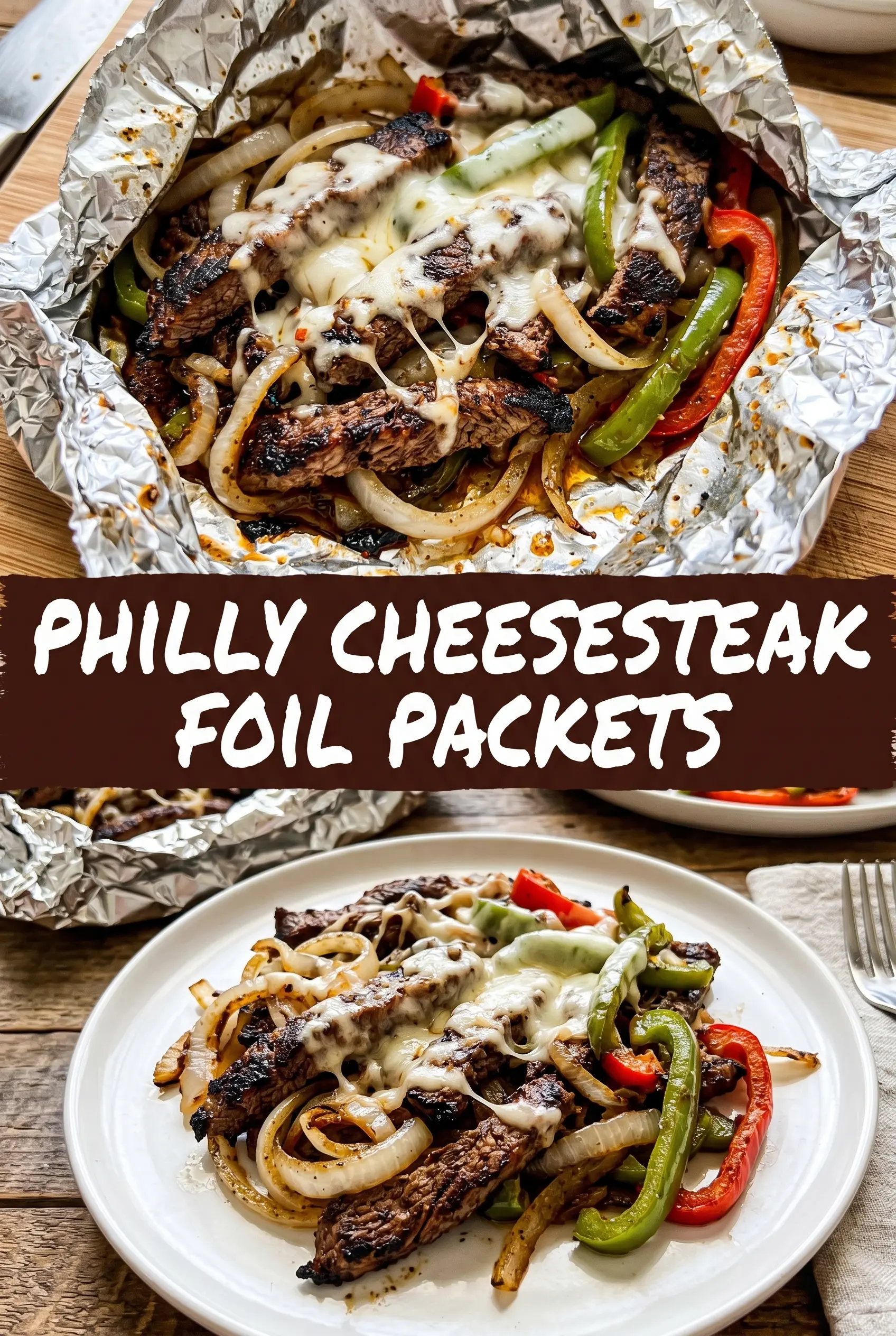
Steak, peppers, onions, and mushrooms cook together in one sealed packet, which is exactly why these Philly cheese steak foil packet dinners land on the table hot, juicy, and piled with melted provolone. The foil traps the steam, so the vegetables soften without turning soggy and the steak stays tender instead of drying out on the grill.
What makes this version work is the layering: the vegetables sit under the cheese, the Worcestershire sauce gives the beef that familiar savory edge, and the heavy-duty foil keeps the packets sturdy enough to flip without leaking. Thin-sliced sirloin is the right cut here because it cooks fast and stays tender over medium heat.
Below, I’ll show you the small details that keep the packets sealed, the steak from overcooking, and the cheese from slipping into the foil instead of melting over everything the way it should.
The steak stayed tender, the peppers still had a little bite, and the cheese melted right over everything without making the packets soggy. My husband asked if I could put these on the grill again next week.
Save these Philly cheese steak foil packet dinners for the nights when you want all the classic cheesesteak flavor with almost no cleanup.
The Trick to Keeping the Steak Tender Inside the Foil
The biggest mistake with foil packet dinners is treating the grill like an oven set to the highest heat. That dries out the steak before the vegetables have softened. Medium heat gives the onions and peppers enough time to cook through while the sealed packets create a little steam bath around the sirloin.
Thin slices matter more than almost anything else here. If the steak is cut thick, it will still taste fine, but it won’t have that tender cheesesteak texture when the packets come off the grill. The mushrooms add extra moisture and a deep savory note, which helps the whole packet taste like more than just steak and peppers.
- Sirloin steak — Use a good, lean cut that slices thinly across the grain. Ribeye works too and gives you a richer result, but sirloin is the sweet spot for tenderness and price.
- Heavy-duty foil — This isn’t the place for thin foil. A flimsy sheet can split when you flip the packets, and that means lost juices and uneven cooking.
- Provolone — It melts smoothly and gives you that classic cheesesteak finish. Mozzarella melts fine, but it tastes milder and changes the sandwich feel.
- Worcestershire sauce — This is what gives the beef that familiar savory depth. There isn’t a perfect substitute, but soy sauce plus a tiny splash of vinegar gets you close in a pinch.
What Each Ingredient Is Actually Doing in These Foil Packets
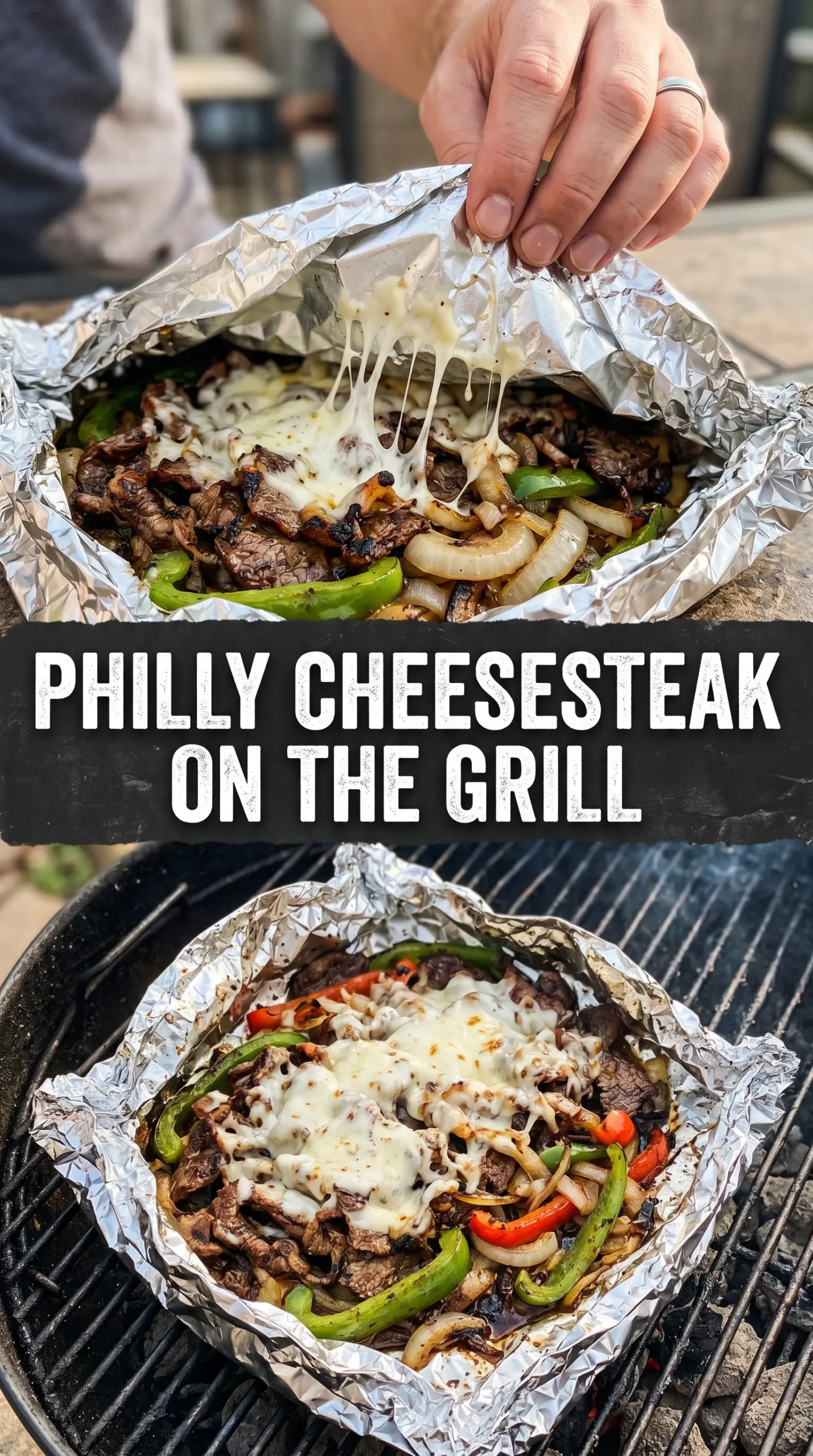
- Foil packets (the containment and cooking vessel) — Heavy-duty foil keeps everything together and steams the ingredients gently. Double-wrap to prevent holes.
- Protein (chicken, beef, or pork) — Cut into even pieces so everything cooks at the same rate. Thinner pieces cook faster in the steam environment.
- Fresh vegetables (bell peppers, onions, zucchini) — Cut to similar sizes so they finish at the same time. Vegetables release their own moisture, which becomes the cooking liquid.
- Seasoning and salt (proper flavor throughout) — Don’t skimp on seasoning because the steaming environment can make flavors taste muted. Season generously.
- Butter or oil (the cook and carrier) — A little fat helps prevent sticking and carries flavor throughout the packet. It also keeps the ingredients from drying out.
- Fresh herbs (cilantro, parsley, or dill) — These add freshness to packets that can otherwise taste heavy or one-dimensional. Add some before sealing.
- Acidic element (lemon, lime, or vinegar) — A squeeze of fresh juice brightens the steamed ingredients and prevents them from tasting flat or muted.
- Proper heat management (medium to high campfire heat) — Packets need steady heat to steam evenly. Rotate them halfway through so both sides cook equally.
How to Build the Packets So Nothing Burns or Leaks
Dividing the Filling Evenly
Split the steak and vegetables into four equal piles right on the foil sheets before you season anything. That keeps the packets cooking at the same rate, which matters because an overfilled packet traps too much liquid and an underfilled one can dry out around the edges. Keep the filling in the center of each sheet with enough bare foil around the edges to fold tightly.
Seasoning in the Packet
Drizzle each pile with olive oil and Worcestershire sauce, then season with garlic powder, salt, and pepper. Tossing the ingredients together on the foil is enough; you don’t need a separate bowl. If the seasoning clumps in one spot, the first bite will taste too salty and the rest of the packet will taste flat.
Sealing and Grilling
Fold the foil over the filling and crimp the edges well so steam stays inside. Grill over medium heat for about 18 to 20 minutes, flipping once halfway through so the bottom doesn’t scorch. The packets are ready when the peppers are softened, the onions are tender, and the steak is just cooked through; if you cook past that point, the sirloin loses the juiciness that makes these worth making.
Make it a Cheesesteak Bowl
Skip the rolls and serve the filling straight from the foil packet over rice, roasted potatoes, or cauliflower rice. You keep the same savory flavor, but the meal feels lighter and the melted cheese coats the vegetables and steak even better.
Dairy-Free Version
Leave off the provolone and finish the packets with a drizzle of garlic oil or a dairy-free melting cheese. You won’t get the same stretchy finish, but you still get the juicy steak, sweet peppers, and onion-heavy filling that makes the recipe work.
Mushroom-Free Option
If mushrooms aren’t your thing, replace them with more bell pepper or a little extra onion. The packet will be a touch less savory and less juicy, but the texture stays balanced and the cooking time doesn’t change.
Storage and Reheating
- Refrigerator: Store leftovers in an airtight container for up to 3 days. The vegetables soften a bit more as they sit, but the flavor holds well.
- Freezer: The cooked filling can be frozen for up to 2 months, though the peppers and onions will be softer after thawing. Freeze without the rolls for the best texture.
- Reheating: Warm gently in a skillet over medium-low heat or in the oven wrapped in foil. High heat dries out the steak fast, and the cheese can turn greasy instead of melty.
Questions I Get Asked About This Recipe
Philly Cheese Steak Foil Packet Dinners
Ingredients
Method
- Divide the thinly sliced sirloin steak, bell peppers, onion, and mushrooms among 4 large heavy-duty foil sheets so the fillings form even piles. Make sure each foil packet has a mix of steak and vegetables (for consistent cooking).
- Drizzle each packet with olive oil and Worcestershire sauce, distributing it over the steak and vegetables. The fillings should look glossy and lightly coated.
- Season each packet with garlic powder, salt, and pepper to taste. Use a light, even dusting so the seasoning reaches every corner of the packet.
- Top each packet with 2 slices provolone cheese. Position the cheese so it covers the top layer for maximum melt.
- Fold the foil into sealed packets, crimping tightly along the edges to prevent leaks. Press the seams together so steam stays trapped inside.
- Grill the foil packets over medium heat for 18-20 minutes, flipping halfway. You should see steam building inside and the cheese beginning to melt through the foil (visual cue: shimmering, softened cheese).
- Carefully open the packets and serve immediately in hoagie rolls or as-is. The cheese should be fully melted and the steak should be hot and steamy (visual cue: bubbling melted cheese and visible steam).