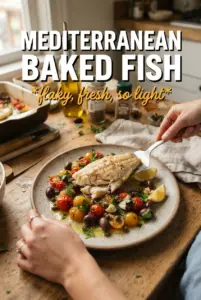
Foil packet fish comes off the fire tender and aromatic, with flaky fillets, softened vegetables, and lemon-infused butter tucked into each sealed parcel. The fish stays moist because it steams in its own little envelope instead of sitting directly over aggressive heat, which is exactly what keeps lean fillets from drying out before the center is done.
The key is giving the vegetables a head start in that hot packet so they soften without turning mushy. Thin zucchini slices and bell pepper strips cook in the same window as salmon, trout, or tilapia, and the butter melts into the garlic and herbs to make a light sauce right in the foil. Heavy-duty foil matters here because a weak packet can split, leak, and leave you with scorched edges instead of a clean, easy dinner.
Below, I’m walking through the one timing detail that matters most, plus the swaps that still give you a solid result if you’re cooking with a different fish or need to adapt the packet for the grill instead of a campfire.
The fish came out flaky and the zucchini was tender but not mushy. I loved that the lemon and butter made its own sauce in the packet, and cleanup was practically nothing.
Foil packet fish with lemon, herbs, and vegetables is the kind of campfire dinner that cooks evenly and cleans up in minutes.
Why the Packet Has to Stay Sealed Until the End
The biggest mistake with foil packet fish is opening it too early or sealing it loosely enough that steam escapes. That steam is doing the actual cooking here, and if it leaks out, the fish can dry on top before the vegetables underneath are tender. You want a tight fold at the edges and a packet that puffs slightly as it cooks.
Another common problem is placing the packets over heat that’s too high. Fish goes from just-done to overcooked fast, especially lean fillets like tilapia. Medium heat gives the vegetables time to soften and keeps the fish moist and flaky instead of chalky.
- Tight foil folds trap steam and keep the butter, lemon, and juices inside the packet instead of dripping into the fire.
- Medium heat cooks the fish through without toughening the edges.
- Uniform vegetable slices help everything finish at the same time.
- Waiting to open the packet preserves the burst of steam and keeps the fish from breaking apart too soon.
What Each Ingredient Is Actually Doing in This Fish Packet
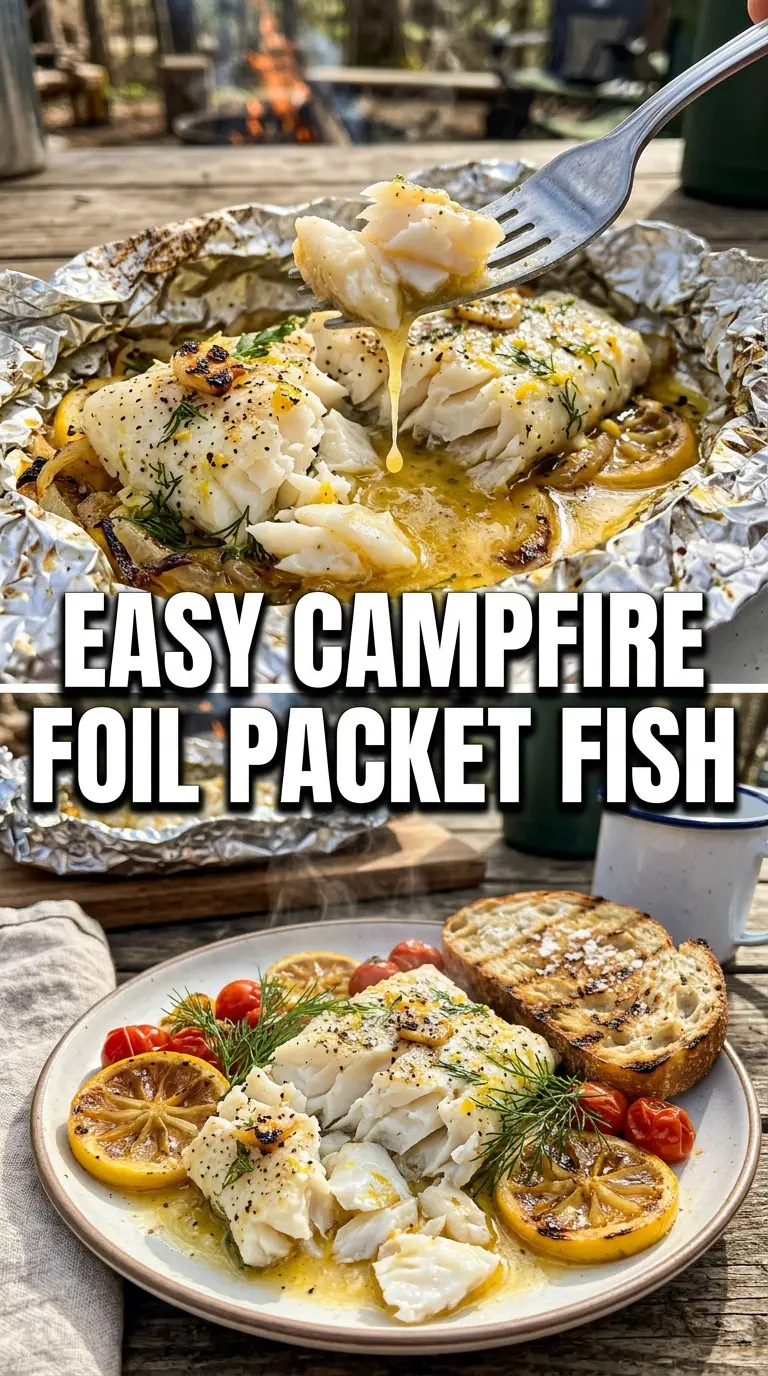
- Fish fillets — Salmon gives the richest result, trout stays delicate and flavorful, and tilapia is the mildest, fastest option. Thicker fillets need the full cook time; thinner ones can be checked a few minutes early so they don’t overdo.
- Heavy-duty foil — This is the part you don’t want to cheap out on. Thin foil tears when you fold it, especially over a grill grate or campfire, and once the packet leaks, the fish loses moisture fast.
- Lemon slices — They steam gently on top of the fish and perfume the butter without making the dish sour. Thin slices work better than big wedges because they cover more surface and release flavor more evenly.
- Butter, garlic, and herbs — Butter carries the garlic and herbs through the packet and keeps the fish moist. Dill is the classic match for salmon and trout, while parsley keeps the whole dish lighter if you’re using tilapia.
- Zucchini and bell pepper — These vegetables cook at the same pace in a sealed packet and soak up the lemony juices underneath. Slice them evenly so they don’t finish in different stages.
Building the Packet So the Fish Steams Instead of Drying Out
Layer the Vegetables Under and Around the Fish
Set each fillet on its own sheet of foil, then tuck the zucchini and bell pepper around it instead of piling everything on top. The vegetables act like a cushion and catch the seasoned butter as it melts down, which gives you better flavor in every bite. If you overcrowd the center, the fish sits in a wet heap and cooks unevenly.
Seal for Steam, Not for Compression
Fold the foil over the fish and crimp the edges tightly, but leave a little air inside the packet so it can puff as it cooks. That air space is what turns the packet into a miniature steamer. If the foil is pressed flat against the fish, the top can stick and the fillet won’t flake as cleanly.
Cook Until the Fish Flakes at the Thickest Point
Put the packets over medium campfire heat and cook for 15 to 20 minutes, depending on thickness. Open one packet carefully and check the center with a fork; the fish should flake easily and look opaque, while the vegetables should be tender without collapsing. If the center still looks translucent, reseal and give it a few more minutes instead of guessing.
Make It with Salmon, Trout, or Tilapia
Salmon gives you the richest flavor and holds up best if the heat runs a little hot. Trout stays delicate and cooks beautifully with dill, while tilapia is the lightest option and benefits from not overcooking by even a minute or two.
Dairy-Free Foil Packet Fish
Swap the butter for olive oil or a plant-based butter. You’ll lose a little of that classic buttery finish, but the fish still stays moist, and the lemon, garlic, and herbs carry the flavor just fine.
Vegetable Swaps That Still Cook Evenly
Green beans, asparagus, or thin-sliced yellow squash all work well. Keep the cuts thin and even so they finish when the fish does; chunky vegetables need longer than the fish can safely take.
Oven-Baked Packet for Home Cooking
Bake the sealed packets on a sheet pan at 400°F until the fish flakes cleanly. The result is nearly the same as the campfire version, and it’s the easiest route when you want the same no-mess method without managing live coals.
Storage and Reheating
- Refrigerator: Store leftovers in an airtight container for up to 2 days. The fish stays safe, but the vegetables soften more as they sit.
- Freezer: I don’t recommend freezing the finished packets. Cooked fish and tender vegetables both lose too much texture once thawed.
- Reheating: Warm gently in a covered skillet over low heat or in a 300°F oven until just heated through. High heat dries the fish out fast, so don’t blast it in the microwave unless you’re fine with a firmer texture.
Answers to the Questions Worth Asking
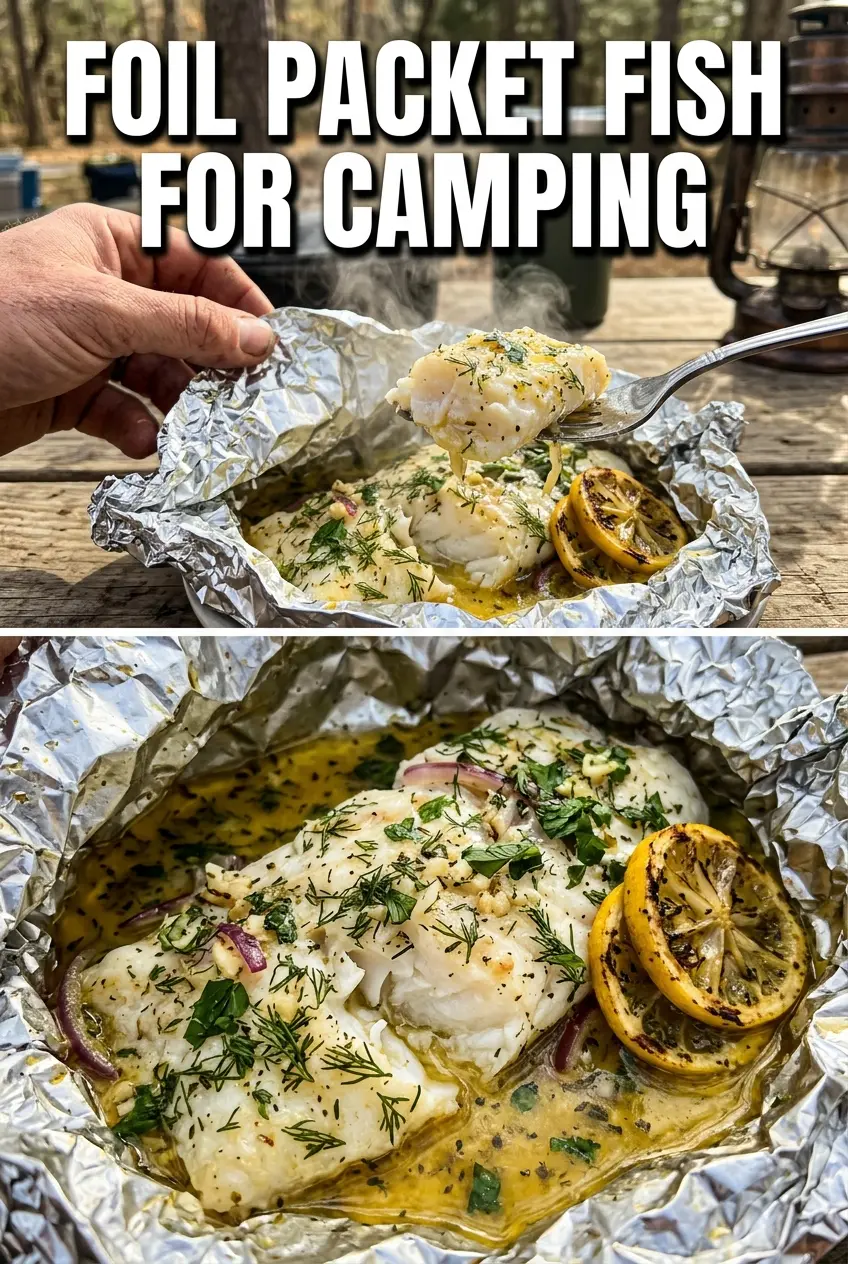
Foil Packet Fish
Ingredients
Equipment
Method
- Place each fish fillet on a sheet of foil, centered so it has room on all sides to fold over.
- Top each fillet with minced garlic, dill or parsley, salt, and pepper, then add a pat of butter.
- Arrange lemon slices over the fish and surround it with the sliced zucchini and bell pepper.
- Fold the foil into sealed packets, crimping edges tightly so steam stays inside.
- Place packets on a campfire grate over medium heat for 15-20 minutes, turning or repositioning if needed for even cooking.
- Cook until the fish flakes easily with a fork, with vegetables appearing tender inside the sealed foil.
- Carefully open packets and serve immediately, letting the lemony juices and steam escape.