Au gratin potatoes earn their place on the table when the top turns deeply golden and the layers underneath stay tender, creamy, and neatly stacked instead of collapsing into a loose, watery mess. The best version gives you thin slices of potato that hold their shape, a sauce that clings instead of pooling, and a crust that cracks a little when you spoon through it. That balance is what makes this dish worth making again and again.
The trick is building the sauce before it ever touches the potatoes. A quick roux thickens the milk and cream enough to coat every slice, and the cheese goes in off the heat so it melts smooth instead of turning grainy. Yukon gold potatoes are the right choice here because they stay creamy and slice cleanly, which matters when you want distinct layers after baking.
Below, I’ve included the specific timing that keeps the center tender without drying out the top, plus the cheese swap that changes the whole character of the dish if you want something a little sharper or a little milder.
The sauce thickened up beautifully and the potatoes were tender all the way through without turning mushy. I let it rest the full 15 minutes and it sliced like a dream.
Save these creamy au gratin potatoes for the nights when you want a bubbling cheese crust and tidy potato layers.
The Reason the Sauce Stays Creamy Instead of Breaking
Au gratin potatoes fail when the dairy hits the heat too hard or the cheese goes in while the sauce is still too hot. That’s when you get a sauce that turns grainy, greasy, or oddly thin after baking. The fix is simple: build a proper roux, whisk in the milk and cream gradually, and pull the pan off the burner before adding the cheese.
The other place people run into trouble is slicing the potatoes too thick. Thin, even slices cook through at the same pace, so the sauce can thicken around them instead of fighting a mix of raw and overcooked pieces. If the layers are uneven, the top dries out before the middle softens.
- Roux base — Butter and flour give the sauce structure. Without that, the dairy can separate and run.
- Whole milk and heavy cream — Milk keeps the sauce pourable; cream adds body and a rounder finish. Using all milk makes the dish lighter but less lush.
- Yukon gold potatoes — They hold their shape and bake up creamy. Russets work, but they soften more and can make the texture less defined.
- Sharp cheddar and Gruyere — Cheddar brings the bold flavor, while Gruyere melts smoothly and gives the sauce that nutty, French-inspired depth.
What Each Ingredient Is Actually Doing in This Dish
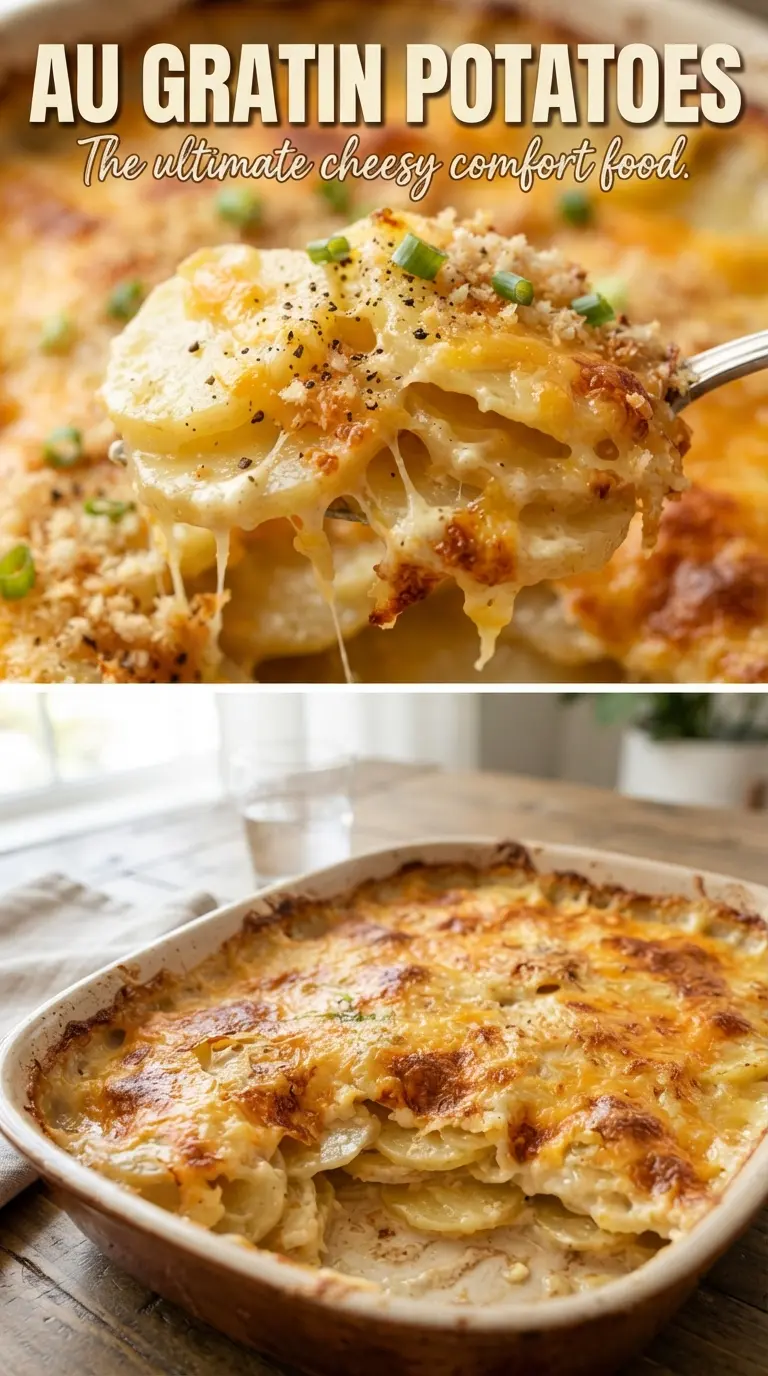
The potatoes are the structure, but the dairy and cheese are what turn the dish from sliced potatoes into something you can scoop. Thin slices matter more than fancy tools here. A sharp knife or mandoline gets you there, and if you use a mandoline, keep the slices even so the center finishes at the same time as the edges.
Sharp cheddar is there for flavor first. Gruyere melts with less resistance and gives the sauce a smooth finish that cheddar alone can’t match. Fresh thyme sounds small, but it keeps the dish from tasting flat and heavy. If you need to substitute, dried thyme works in a pinch, but use less because the flavor is more concentrated.
- Yukon gold potatoes — Best for creamy layers that stay intact after baking. If you use russets, rinse the slices after cutting to remove excess starch, then dry them well so the sauce doesn’t get gummy.
- Whole milk and heavy cream — This combination gives the sauce enough richness without turning it into a dense cheese paste. Half-and-half can stand in, but the result will be a little lighter.
- Sharp cheddar — Choose a block and shred it yourself if you can. Pre-shredded cheese often has anti-caking starches that make the sauce a little less smooth.
- Gruyere — This is the cheese that makes the top taste elegant instead of just salty. Swiss cheese is the closest swap if Gruyere is too pricey.
Building the Layers Without Ending Up With a Greasy Pan
Making the White Sauce
Melt the butter and cook the garlic just until fragrant, about 30 seconds. Add the flour and whisk for a full minute so the raw flour taste cooks off and the roux turns foamy and smooth. Slowly whisk in the milk and cream, then keep stirring until the sauce lightly coats the back of a spoon. If it looks thin in the pan, don’t panic; it will thicken more as it bakes.
Stirring in the Cheese at the Right Time
Take the pan off the heat before adding the cheddar and part of the Gruyere. Residual heat melts the cheese without pushing it into a greasy split. If the sauce ever looks grainy at this stage, it’s usually because the pan was too hot. Let it cool for a minute and stir gently until smooth again.
Layering and Baking Until Tender
Build the dish in three even layers, spooning sauce between each one so every potato slice gets coated. Press the potatoes down lightly with the back of a spoon to settle them, but don’t pack them tight. Covering with foil for the first part of baking traps steam and softens the potatoes; uncovering at the end gives you that browned, bubbling top. The knife should slide through the center with no resistance before you pull it out.
Letting It Rest Before Serving
Give the dish 15 minutes on the counter before cutting into it. That rest time lets the sauce settle and thicken so the slices hold together instead of slumping into the serving spoon. If you skip the rest, the flavor is still there, but the structure isn’t.
How to Adapt These Potatoes for a Different Table
Gluten-Free Version
Use a 1:1 gluten-free flour blend in the roux and whisk it well before adding the dairy. The sauce won’t taste different if the blend is good, but it may thicken a touch faster, so keep an eye on the texture as it simmers.
Lighter, Less Rich Potatoes
Swap the heavy cream for more whole milk. You’ll get a sauce that’s a little less plush and a bit more delicate, but it still coats the potatoes well if you keep the roux thick enough.
Different Cheese Combination
Replace Gruyere with Swiss or fontina if that’s what you have. Swiss is closest in melt and flavor, while fontina gives a softer, more buttery finish. Keep the cheddar in place if you want the sauce to still taste full and sharp.
Storage and Reheating
- Refrigerator: Store covered for up to 4 days. The sauce will firm up as it chills, which is normal.
- Freezer: It freezes, but the texture softens after thawing. If you plan to freeze it, wrap the baked dish well and thaw overnight in the refrigerator before reheating.
- Reheating: Reheat covered in a 325F oven until hot in the center. Uncover for the last few minutes if you want to bring the top back to life. Microwaving works for leftovers, but it softens the layers and can make the cheese a little rubbery.
Questions I Get Asked About This Recipe

Au Gratin Potatoes
Ingredients
Equipment
Method
- Preheat the oven to 375F, then butter a 9x13-inch baking dish for easy release.
- Melt the butter, then cook the minced garlic for 30 seconds until fragrant.
- Whisk in the all-purpose flour and cook for 1 minute to form a smooth roux.
- Slowly whisk in the whole milk and heavy cream, then simmer until thickened and coats the back of a spoon, stirring often.
- Season the sauce with salt, black pepper, and fresh thyme leaves, then keep simmering briefly until well combined and glossy.
- Remove the sauce from the heat and stir in 1 cup shredded sharp cheddar and 1/2 cup shredded Gruyere until melted and smooth, with a thick creamy texture.
- Layer one third of the sliced Yukon gold potatoes in the baking dish and spoon over one third of the sauce, spreading to the edges.
- Repeat with another third of the potatoes and sauce, pressing lightly so the layers sit evenly.
- Add the remaining potatoes, pour over the rest of the sauce, then top with the remaining sharp cheddar and Gruyère for a golden crust.
- Cover with foil and bake for 45 minutes, with the edges bubbling and the potatoes starting to soften.
- Uncover and bake 25 to 30 minutes more until golden on top and tender when pierced with a fork.
- Rest the au gratin potatoes for 15 minutes before serving so the creamy layers set and slice cleanly.


