Garlic knots earn their spot fast when they come out of the oven with a light, tender center and those little browned ridges that catch every bit of garlic butter. The best ones taste buttery without turning greasy, with enough chew to feel like real bread and enough softness that they pull apart in warm strands. Served with marinara, they disappear before anything else on the table.
The trick is using room-temperature pizza dough so it stretches without snapping back, then baking the knots before the garlic butter goes on. That keeps the garlic from scorching and lets the knots brown properly first. The second brush of butter, added while the knots are hot, sinks into the cracks and clings to the Parmesan instead of sliding off the surface.
Below, I’ll walk through the small details that keep the knots fluffy, how to tie them without fighting the dough, and what to change if you want to use frozen dough or make them a little richer.
The knots baked up soft inside with those crisp golden edges, and brushing the garlic butter on after baking kept the flavor bold instead of bitter. I doubled the batch and they were gone before dinner was over.
Save these golden garlic knots for the kind of side dish that vanishes the second the Parmesan hits the hot butter.
The Part That Keeps Garlic Knots Soft Instead of Tough
Most garlic knots turn dense when the dough gets overworked or when the knots sit too long before baking. Pizza dough wants a gentle hand. Stretch it just enough to make a rope, tie it once, and move on. If the dough springs back while you’re shaping, let it rest for five minutes and try again; forcing it only tightens the gluten and gives you a chewier knot than you want.
Baking them plain first is what keeps the garlic butter from drying out or turning bitter in the oven. The knots need direct heat on the dough surface to set the shape and pick up color. Once they come out, the butter mixture melts into every crease while the bread is still hot enough to absorb it.
What the Butter, Garlic, and Parmesan Each Do Here
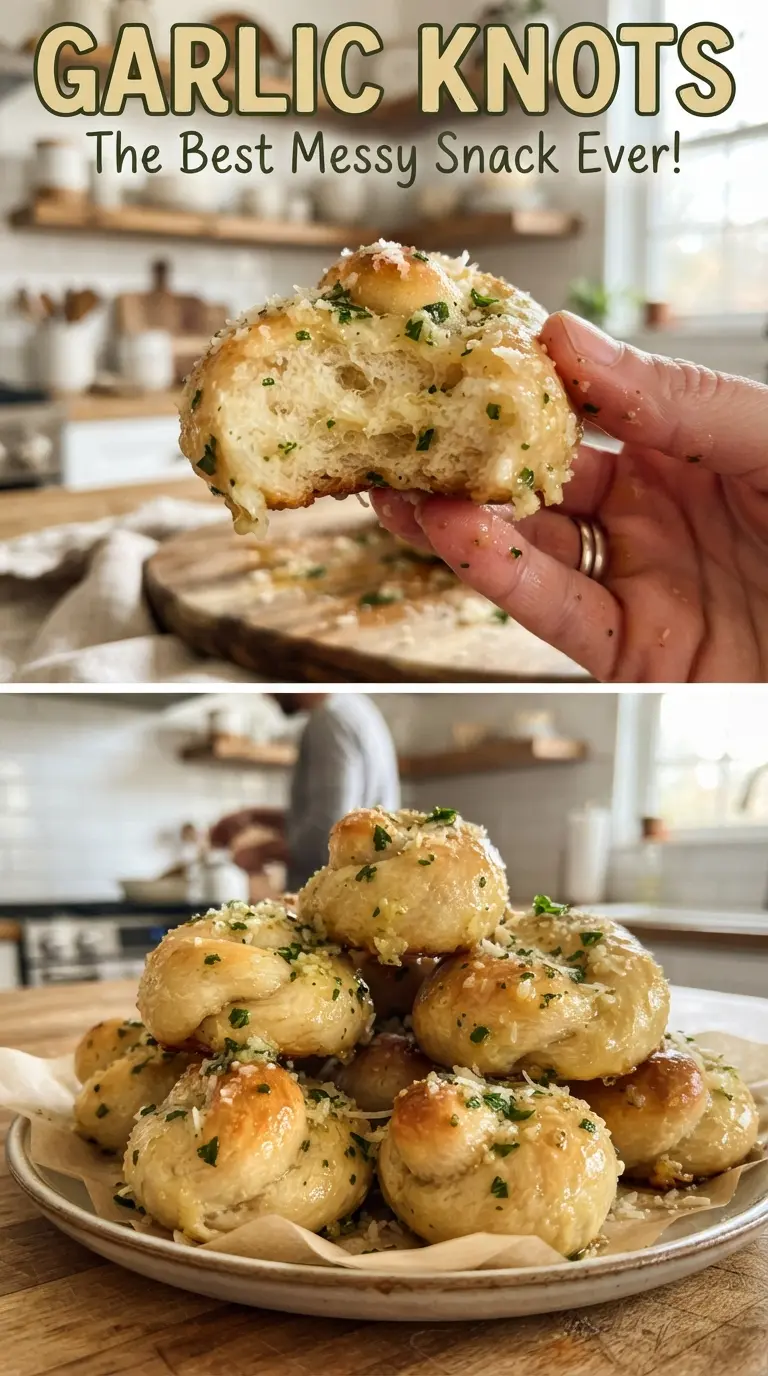
- Refrigerated pizza dough — This gives you reliable chew and lift without making the recipe fussy. Room temperature dough is easier to shape, and that little bit of warmth keeps the knots from tearing when you tie them.
- Butter — Melted butter is the base that carries the garlic and parsley. Use real butter here; margarine won’t give you the same rich finish or the same glossy coat on the bread.
- Garlic — Fresh minced garlic gives the knots their sharp, savory punch. If you use jarred garlic, the flavor can taste flat and a little metallic, so fresh is worth it here.
- Parmesan — Add it after the second butter brush so it clings to the hot knots instead of melting into the pan. Grated Parmesan gives the best coverage; finely shredded cheese can clump and fall off.
- Parsley — It’s not just garnish. The parsley cuts the richness and keeps the garlic butter from tasting heavy.
Shaping, Baking, and Buttering the Knots in the Right Order
Cutting and tying the dough
Divide the dough into 16 even pieces so they bake at the same pace. Roll each piece into a rope about 7 inches long, then tie a loose knot without pulling it tight. If the dough sticks, dust your hands lightly with flour, but don’t cover it so heavily that the knots won’t seal when they bake.
Building the first layer of color
Set the knots on parchment and brush them lightly with melted butter before they go into the oven. That thin coat helps the surface brown and keeps the outside from drying out. Bake until the knots are deeply golden on top and the bottoms look set; underbaked dough here stays gummy in the center.
Finishing with garlic butter and Parmesan
Stir the garlic, parsley, and salt into the remaining butter while the knots bake, then brush it over the hot bread the moment it comes out. The residual heat softens the garlic just enough without cooking away its bite. Finish with Parmesan right away so it sticks while the butter is still warm and glossy.
Use frozen pizza dough if that’s what you have
Thaw it completely in the refrigerator first, then bring it to room temperature before shaping. Cold dough fights back and tears more easily, and the knots won’t puff as evenly if the center stays chilly.
Make them dairy-free
Use a good plant-based butter that melts cleanly and skip the Parmesan or replace it with a dairy-free topping that actually browns. The knots will still taste garlicky and rich, but you’ll lose a little of the classic savory finish from the cheese.
Make them extra cheesy
Add a little more Parmesan right before serving, or toss the hot knots in a second light dusting after brushing with garlic butter. Too much cheese before baking can scorch, so keep the baking surface mostly clean and finish heavy at the end.
Storage and Reheating
- Refrigerator: Store leftovers in an airtight container for up to 3 days. The knots will soften as they sit, but they still reheat well.
- Freezer: Freeze baked knots in a single layer, then transfer to a bag for up to 2 months. The texture is best if you freeze them before adding the final garlic butter, then finish them after reheating.
- Reheating: Warm in a 325F oven for 8 to 10 minutes until heated through. The mistake to avoid is microwaving them hard and fast; that makes the bread rubbery instead of bringing back the soft center.
Answers to the Questions Worth Asking
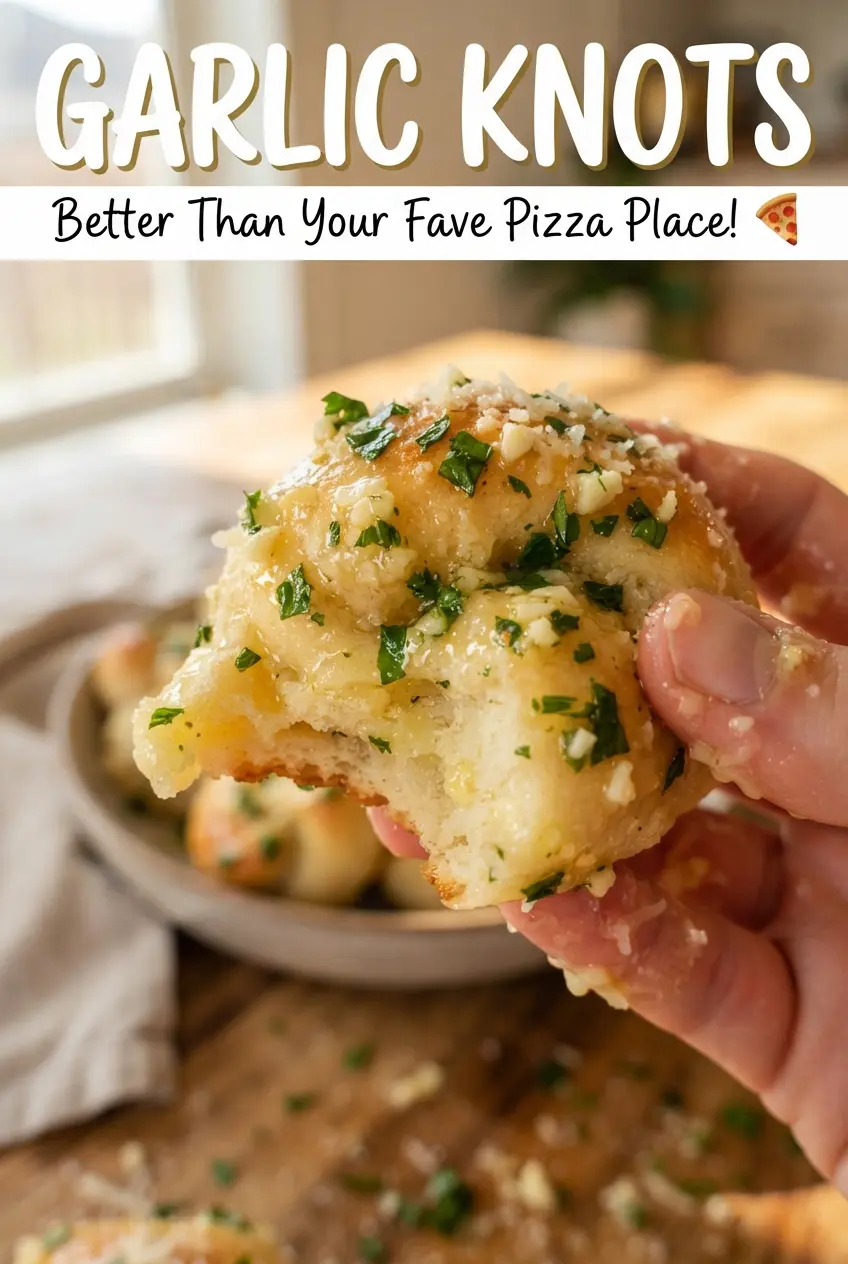
Garlic Knots
Ingredients
Equipment
Method
- Preheat your oven to 400F, and line a baking sheet with parchment as a nonstick base.
- Cut the refrigerated pizza dough into 16 pieces, then roll each into a 7-inch rope and tie into a knot.
- Place the knots on the baking sheet, leaving space between them, then brush lightly with melted butter.
- Bake at 400F for 13-15 minutes, until the garlic knots are golden brown.
- Stir the garlic, parsley, and salt into the remaining melted butter, then brush it over the hot knots so they glisten.
- Sprinkle with grated Parmesan and serve immediately with marinara sauce for dipping.


