Autumn chopped salad earns its place on the table because it eats like a full meal in a bowl: crisp, sweet, salty, and sturdy enough to stay lively after it’s dressed. The fine chop matters here. It keeps every forkful balanced, so you don’t end up with one bite of kale and another of nothing but apple. The mix of crunchy Brussels sprouts, juicy pear, tart cranberries, and feta gives it the kind of texture you actually want to keep eating.
The trick is giving the kale a quick massage with a little dressing before anything else goes in. That softens the leaves just enough to take the edge off without turning the salad limp. The maple-Dijon vinaigrette also does more than dress the greens; it ties the fruit, nuts, and cheese together so the bowl tastes planned, not piled together.
If you’ve ever had chopped salad turn soggy halfway through dinner, this version fixes that. Below, I’ll walk through the one step that keeps the kale tender, the ingredient swaps that still make sense, and how to hold it briefly if you need to get ahead.
The kale softened just enough after the quick massage, and the vinaigrette coated everything without pooling at the bottom. I made it for lunch and it stayed crunchy even after sitting for a bit.
Save this autumn chopped salad for the days when you want crisp kale, sweet fruit, and maple-Dijon dressing in one bowl.
The Step That Keeps Kale from Eating Like Brush
Kale is the ingredient that can make chopped salad either crisp-tender or a chore. If you toss it raw with dressing and walk away, it stays tough on the stemmy edges and feels aggressive in the bowl. A one-minute massage with a little of the vinaigrette changes the texture without turning it soft. You’re looking for leaves that darken slightly, shrink a bit, and lose that squeaky bite.
The Brussels sprouts need to be shredded fine enough to mix evenly with the kale. If they’re left in thick ribbons, they read like a separate vegetable instead of part of the salad. The fruit and cheese work best when the greens are already seasoned, because they cling to the dressed leaves instead of sliding to the bottom.
- Massaged kale — This isn’t optional if you want a salad that eats well. The dressing starts breaking down the fibers right away, which is why the greens turn pliable instead of chewy.
- Shredded Brussels sprouts — The finer the shred, the better the texture. Big pieces can feel raw and woody, while thin shreds blend into the salad and hold dressing beautifully.
- Apple and pear — Use both if you can. The apple brings crisp tartness, while the pear softens the mix with a sweeter, juicier bite.
- Candied pecans and pepitas — These give the salad its crunch ceiling. If you swap in plain nuts, add a pinch of salt or the bowl can taste flatter.
What Each Ingredient Is Actually Doing in This Bowl
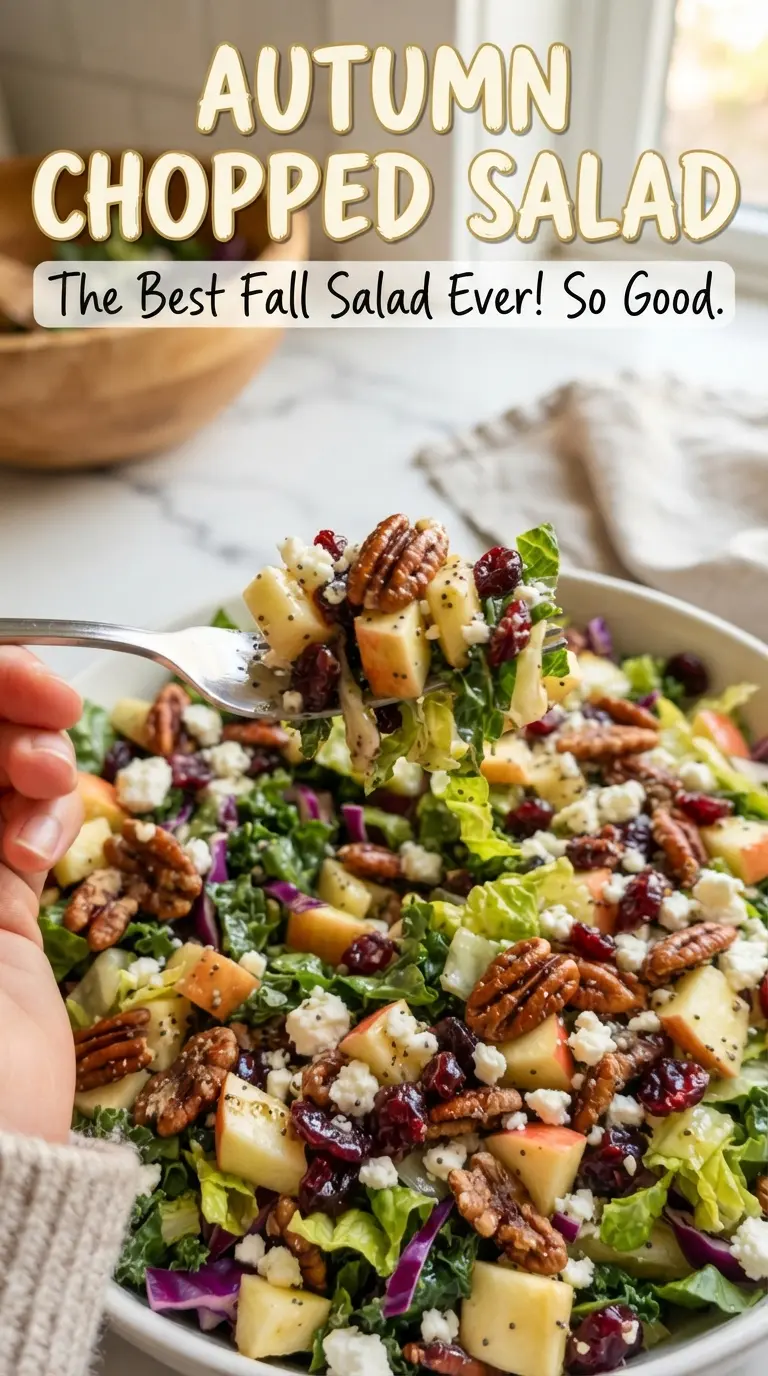
The olive oil gives the dressing body, but the apple cider vinegar is what keeps it bright enough to stand up to the sweet fruit and maple syrup. Dijon matters here more than it looks like it should; it helps emulsify the dressing so the oil and vinegar cling to the chopped greens instead of separating in the bottom of the bowl. If you skip it, whisk longer and expect a thinner dressing.
Feta is the salty anchor. It cuts through the sweetness of the pear, cranberries, and maple so the salad tastes balanced instead of sugary. If you need a dairy-free version, leave it out and add extra pepitas or a few sliced olives for that savory contrast. The maple syrup should stay in the dressing, not drizzled over the top, because it disperses evenly there and won’t clump on the fruit.
Building the Bowl So the Crunch Lasts
Whisking the Dressing First
Start with the olive oil, vinegar, maple syrup, Dijon, salt, and pepper in a small bowl. Whisk until the dressing looks glossy and slightly thickened, not broken into separate oily streaks. If it refuses to come together, the bowl may be too cold or the Dijon wasn’t fully incorporated. Give it another hard whisk before you add it to the kale.
Softening the Kale Without Overdoing It
Put the chopped kale in a large bowl and spoon over about a tablespoon of the dressing. Use your hands to rub and toss it for about a minute until the leaves darken and feel less rigid. Stop before it turns wilted or slippery. That quick massage is enough to change the texture without making the salad limp later.
Layering for Even Bites
Add the Brussels sprouts, apple, pear, cranberries, pecans, feta, and pepitas over the dressed kale. Toss gently so the fruit and nuts don’t get smashed and the cheese stays in small crumbles instead of disappearing into the greens. Pour on the rest of the dressing and toss again until everything is lightly coated. If the bowl looks wet, you’ve added too much dressing at once; stop as soon as the leaves are glossy.
Serving Before the Salad Settles
This salad is best right away, while the nuts still crunch and the apples are fresh and snappy. If you need to hold it, keep it chilled for up to 2 hours. After that, the fruit starts releasing juice and the texture gets softer, which is fine for lunch but less ideal if you want that just-tossed bite.
How to Adapt This Autumn Chopped Salad Without Losing the Point
Make It Dairy-Free
Skip the feta and add a few extra tablespoons of pepitas or chopped toasted nuts. You’ll lose the salty creaminess, so add a pinch more salt to the dressing and keep the vinegar bright. The salad will still have plenty of contrast from the fruit and candied pecans.
Swap the Nuts for What You Have
Walnuts or almonds work well in place of candied pecans. Plain nuts are less sweet, so the salad will taste a little less dessert-like and a little more balanced. If you use unsweetened nuts, keep the cranberries in place so the bowl still has enough sweetness to match the maple dressing.
Use Bagged Slaw to Save Time
A bag of shredded Brussels sprouts or broccoli slaw can replace the hand-shredded sprouts on a busy night. The texture will be a little softer and less distinct, but the salad still keeps its crunch. Just check that the mix isn’t drenched in dressing or seasoning before you buy it.
Storage and Reheating
- Refrigerator: Store leftovers covered for up to 2 days. The kale holds up better than softer greens, but the fruit will release some juice and the nuts will lose crunch.
- Freezer: Don’t freeze this salad. The apples, pears, and dressed greens turn watery and mushy after thawing.
- Reheating: This salad isn’t meant to be reheated. If it’s been chilled, let it sit out for 10 to 15 minutes so the dressing loosens and the flavors wake up again.
Answers to the Questions Worth Asking
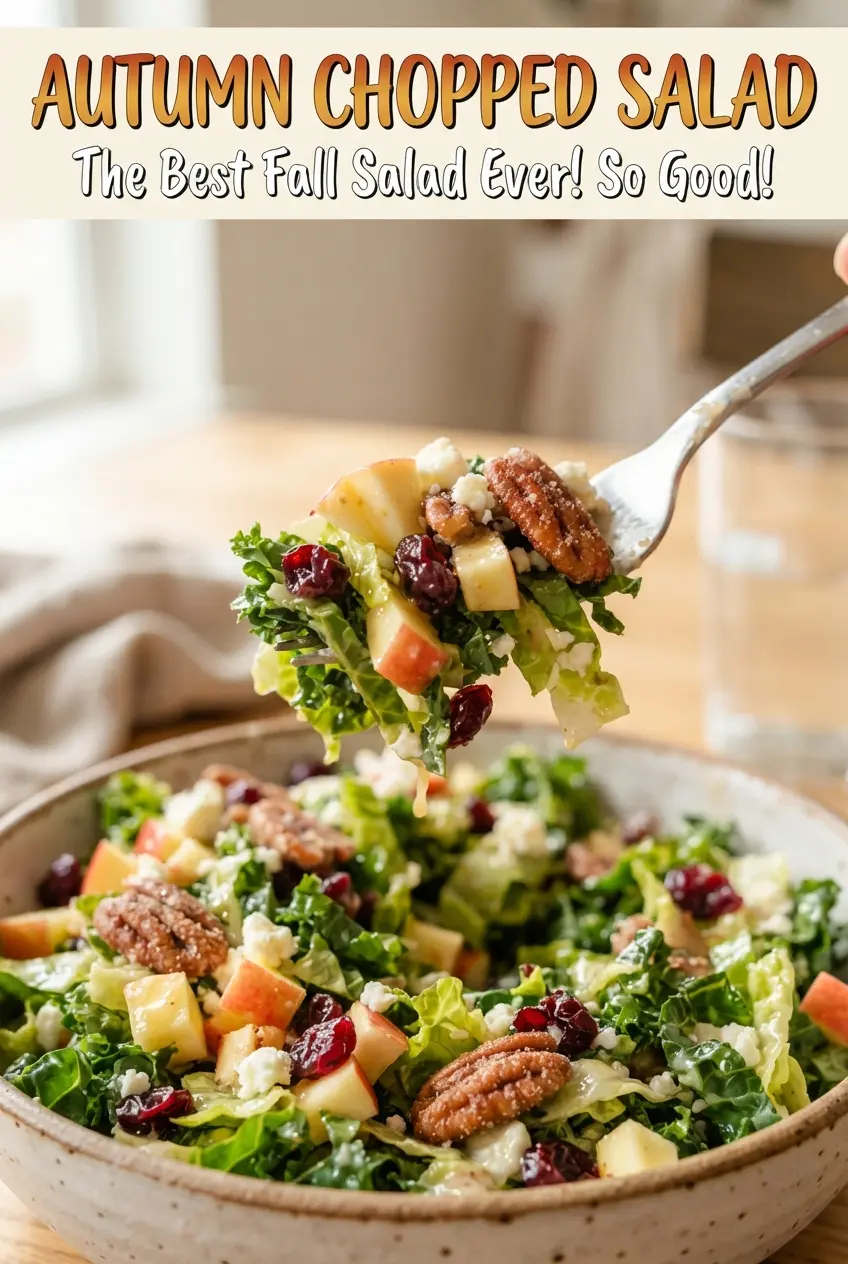
Autumn Chopped Salad
Ingredients
Method
- Whisk olive oil, apple cider vinegar, maple syrup, Dijon mustard, salt, and pepper until smooth and well combined.
- Massage the finely chopped kale with 1 tablespoon of the dressing for 1 minute until it looks slightly darker and more tender.
- Add the shredded Brussels sprouts, diced apple, diced pear, dried cranberries, chopped candied pecans, crumbled feta, and roasted pepitas.
- Pour the remaining dressing over the salad.
- Toss well to evenly coat, then serve right away or chill up to 2 hours.


