Hobo Dinner Cheeseburgers come out with the kind of built-in payoff that makes camp cooking feel worth the extra foil. You get a juicy burger, tender potatoes, sweet onions, and peppers all steaming together in one packet, then the cheese melts right over the patty at the end. The result is messy in the best way, with no separate skillet to babysit and no pile of dishes waiting at the campsite.
What makes this version work is the sequence. The potatoes go in thinly sliced so they cook through in the same time as the burger, and the butter gives the vegetables enough fat to soften instead of drying out against the foil. The packets stay sealed until the very end, which traps steam and keeps the beef from overcooking before the vegetables are done.
Below, I’m walking through the small details that matter most: how thin to slice the potatoes, how to seal the foil so the juices stay inside, and how to avoid ending up with a dry burger or crunchy potatoes. A couple of minutes of attention up front makes this a dependable campfire dinner.
The potatoes were perfectly tender after 25 minutes, and the butter kept everything from sticking to the foil. I loved how the cheese melted right over the burger at the end instead of turning rubbery.
Like these foil packet burgers? Save Hobo Dinner Cheeseburgers for a campfire meal with melted cheese, tender vegetables, and almost no cleanup.
The Part Most Foil Packet Burgers Get Wrong
The biggest mistake with foil packet burgers is treating the potatoes like they’ll cook at the same pace no matter how they’re cut. They won’t. Thick slices lag behind the beef, and by the time the burger is done, the potatoes are still firm in the center. Thin, even slices are what keep the whole packet moving at the same speed.
Heat control matters too. Medium heat gives the vegetables time to soften and the patty time to cook through without scorching the foil or drying out the beef. If your packets sit over a fire that’s too hot, the outside of the foil may brown fast while the vegetables underneath stay undercooked.
- Thin potatoes — Slice them about 1/8 inch thick so they turn tender in the same window as the burger. A mandoline helps, but a sharp knife works if you keep the slices consistent.
- Heavy-duty foil — Standard foil tears too easily once the vegetables soften and release steam. Heavy-duty foil holds the packet together better and keeps the juices in where they belong.
- Butter — This keeps the vegetables from tasting dry and helps the onions and peppers soften. Margarine works in a pinch, but butter gives a fuller finish.
- American cheese — It melts smoothly inside the packet without separating. If you swap in a firmer cheese, expect a little less melt and a little more chew.
What Each Layer Is Actually Doing Inside the Packet
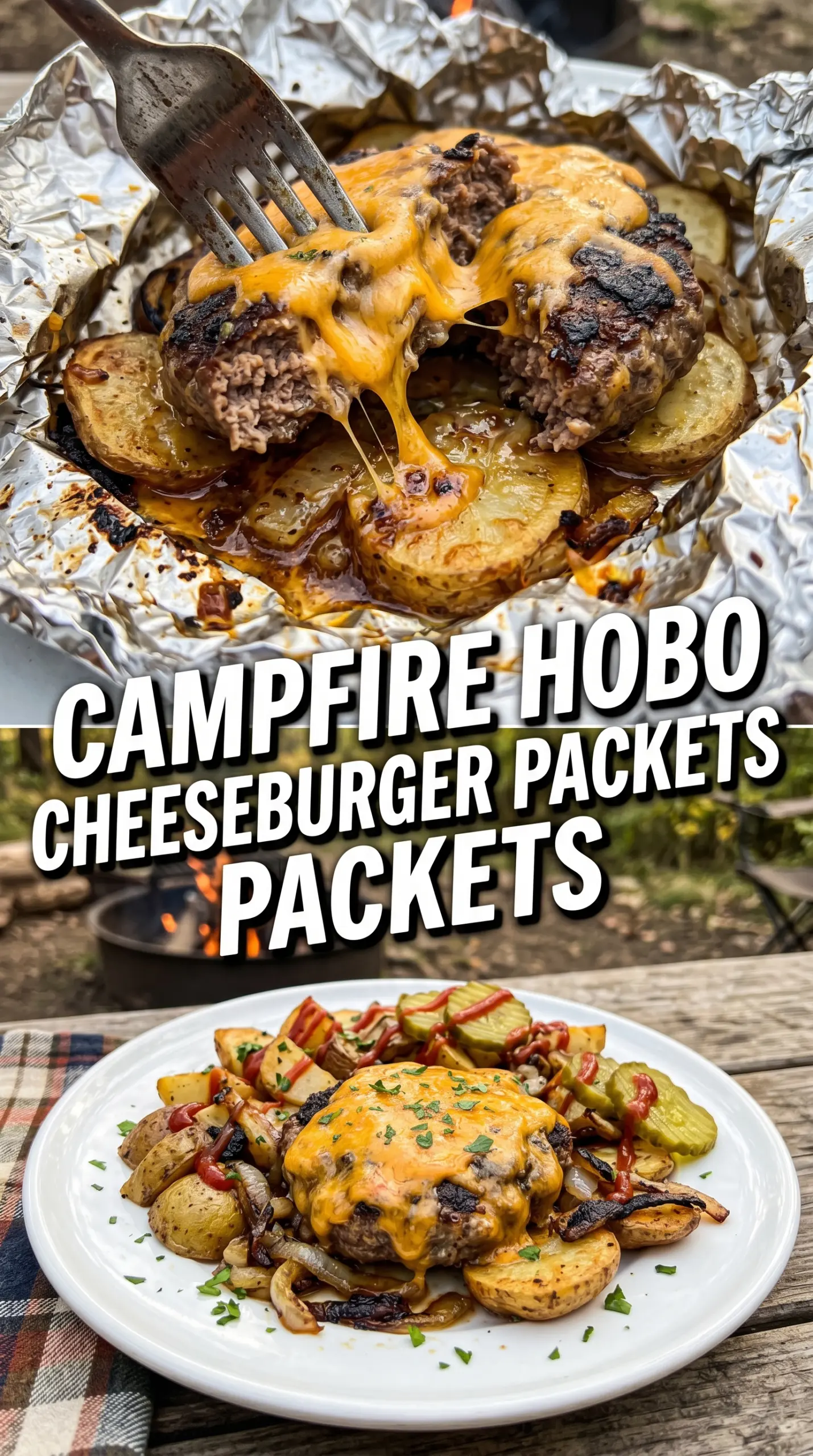
- Ground beef — A simple 80/20 blend gives you enough fat to stay juicy after steaming in foil. Leaner beef works, but it dries out faster and tastes less rich.
- Potatoes — These are the backbone of the packet and need the longest cook time, which is why they go on the bottom. Yukon Gold or red potatoes hold their shape well and stay creamy.
- Onion and bell pepper — These add sweetness and moisture as they soften. Don’t cut them too thick or they’ll stay crisp while everything else finishes.
- Butter — One tablespoon per packet gives the vegetables enough fat to steam gently and keeps the burger from feeling lean and tight. You can use olive oil, but the flavor is less classic and a little less plush.
Building the Packets So Everything Finishes Together
Shaping the Burger Thin Enough
Form each portion of beef into a thin patty, a little wider than you think you need, because the center puffs as it cooks. Season both sides with salt and pepper before it goes into the foil. If the patties are too thick, the vegetables will overcook before the middle of the burger is done.
Stacking the Vegetables Under the Meat
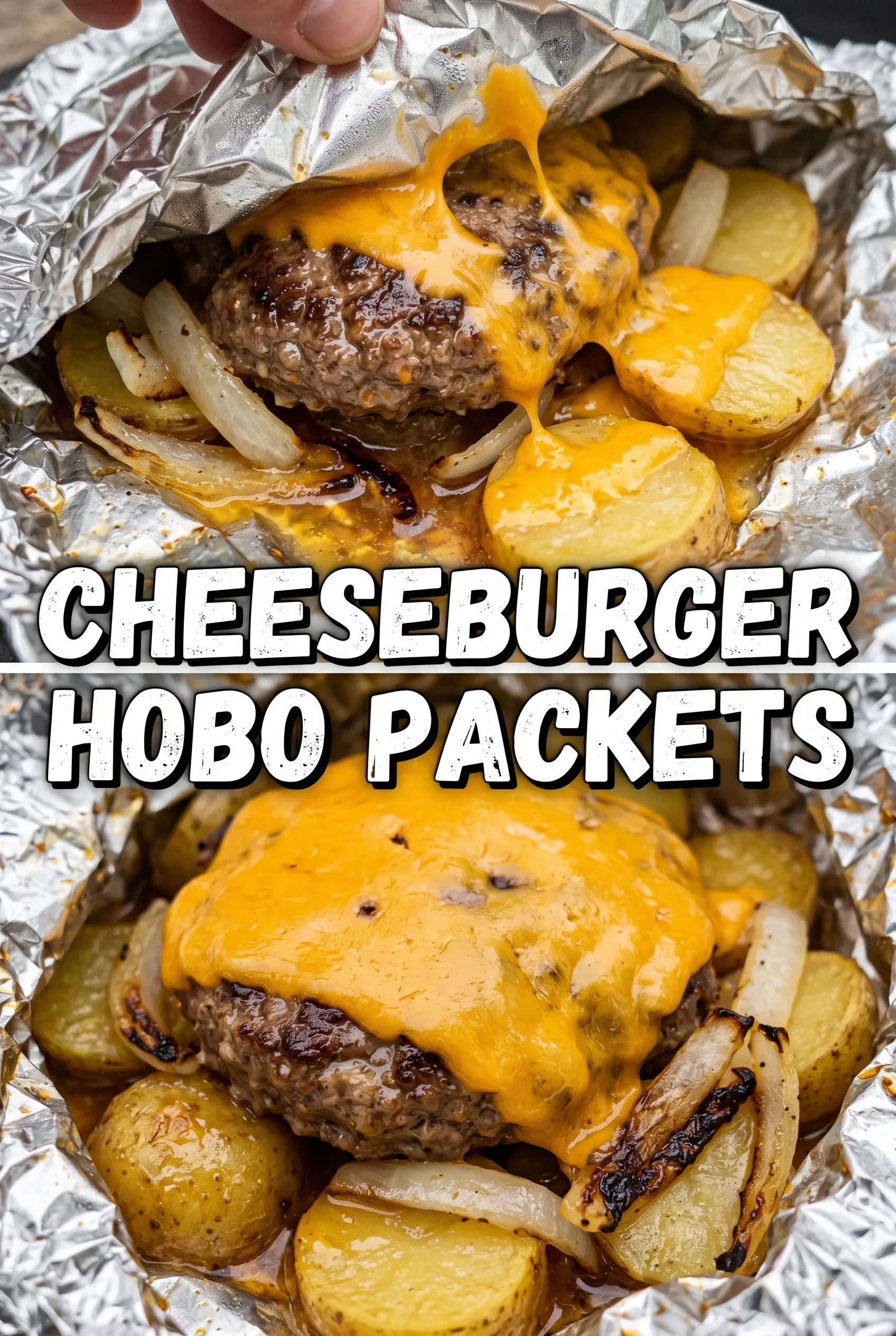
Put the sliced potatoes on the foil first, then the onions and peppers, then the burger on top. That setup lets the vegetables cook in the heat and juices that come off the meat while keeping the patty from sitting directly on the foil. A little overlap is fine, but keep the layers fairly even so the packet cooks consistently.
Sealing and Cooking Over the Fire
Fold the foil into a tight sealed packet with room for steam to circulate inside. Place the packets over medium heat on a campfire grate and flip them halfway through the cook time so the bottom doesn’t scorch. If the fire is fierce, move the packets to a cooler spot; this dish wants steady heat, not flames licking the foil.
Melting the Cheese at the End
Open each packet carefully because the steam is hot enough to burn fast. Add the cheese slice directly on top of the burger, then fold the foil back over for a minute or two until it softens and turns glossy. If you leave it closed too long, the cheese can turn greasy instead of melting cleanly.
Use ground turkey instead of beef
Ground turkey works if you want a lighter packet, but it needs a little help or it can taste dry. Add a teaspoon of oil to each patty and keep an eye on the cook time, since turkey dries out faster than beef.
Make it dairy-free
Skip the butter and use olive oil or a plant-based butter substitute, then leave off the cheese or use a dairy-free slice that melts well. You’ll lose a little richness, but the packet still cooks up with plenty of flavor from the beef and vegetables.
Swap in different vegetables
Mushrooms, zucchini, or sliced carrots can replace part of the peppers if that’s what you have on hand. Just keep the pieces thin so they cook at the same pace as the potatoes, and avoid watery vegetables cut too thick or the packet will turn soggy.
Make it a low-carb packet
Leave out the potatoes and double the peppers and onions, or add sliced zucchini for more volume. The packet cooks faster without potatoes, so start checking the beef a few minutes early to keep it from drying out.
Storage and Reheating
- Refrigerator: Store leftovers in an airtight container for up to 3 days. The potatoes soften a bit more after chilling, but the flavor holds up well.
- Freezer: This isn’t a great freezer meal once it’s cooked, because the potatoes and peppers lose their texture after thawing. If you want to prep ahead, assemble the raw packets and freeze them only if you’re confident your foil is tightly sealed and your freezer space stays flat.
- Reheating: Reheat in a covered skillet over low heat or in a 325°F oven until warmed through. High heat dries out the burger fast, and microwaving can make the potatoes rubbery before the center heats up.
Questions I Get Asked About This Recipe
Hobo Dinner Cheeseburgers
Ingredients
Equipment
Method
- Divide the ground beef into 4 portions and form into thin patties, seasoning with salt and pepper.
- On each foil sheet, layer the thinly sliced potatoes, onions, and bell peppers.
- Place one burger patty on top of the vegetables and add 1 tablespoon butter to each packet.
- Fold the foil into sealed packets so the contents steam as they cook.
- Place the packets on a campfire grate over medium heat for 20-25 minutes, then flip halfway through cooking.
- Open the packets and add the American cheese slices to the burgers, then reseal briefly to melt the cheese.
- Let the packets cool for 5 minutes before serving from the foil packets.