Grilled salmon earns its place in the rotation when the skin turns crisp, the flesh stays juicy, and the fish comes off the grates in clean, intact fillets instead of flakes stuck to the grill. The trick is to keep the seasoning simple and give the salmon enough direct heat to build color without drying out the center.
This version uses a short olive oil, lemon, and garlic marinade that seasons the fish without masking it. The salt pulls a little moisture to the surface, which helps the salmon cook more evenly after that brief rest, and the skin-on fillets protect the flesh while the first side cooks over the hot grates.
Below, I’ve laid out the part that matters most: how to keep the salmon from sticking, when to flip it, and what to look for if you want medium doneness instead of an overcooked, chalky fillet.
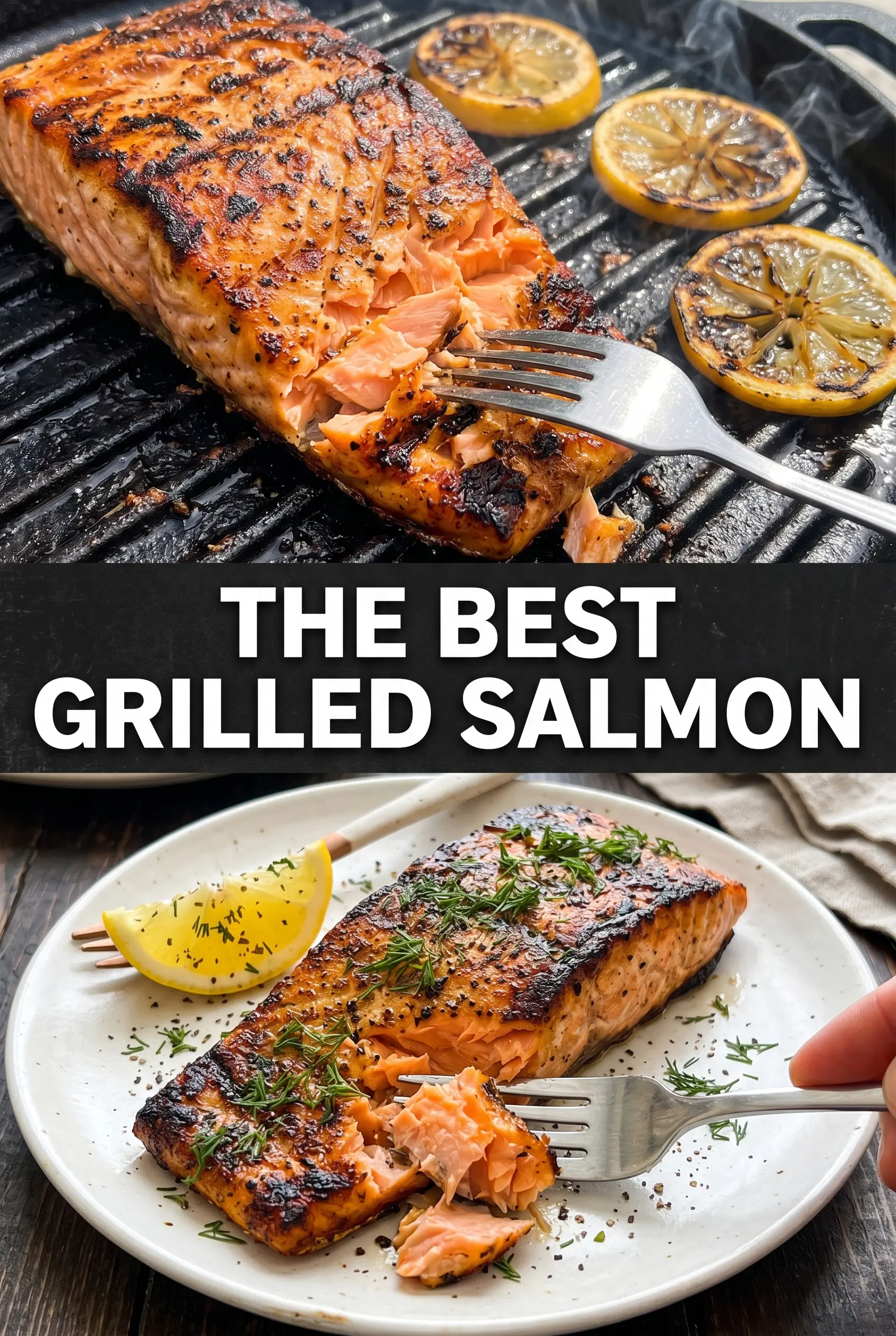
The skin got crisp without sticking, and the center stayed tender and flaky. I followed the 6-minute side exactly and the salmon came off the grill in perfect pieces.
Save this grilled salmon technique for crisp skin, tender flesh, and an easy lemon-dill finish.
The Reason Salmon Sticks To The Grill And How This One Avoids It
Sticky salmon usually comes down to two things: a grill that isn’t hot enough and fish that’s been moved before the surface has set. Once the skin hits a properly oiled grate, it needs a few uninterrupted minutes to form that crust. If you try to lift it too soon, the skin tears and the flesh follows.
The other piece is moisture control. Patting the fillets dry before seasoning gives the heat a chance to do its job, and a thin coating of oil helps the surface brown instead of steaming. The brief rest with lemon and garlic adds flavor, but it doesn’t sit long enough to cure the fish or make it soft.
- Skin-on salmon — The skin protects the flesh from the direct heat of the grill and gives you a built-in barrier against overcooking. Skinless fillets can work, but they need a gentler hand and are much easier to break when you flip them.
- Olive oil — This keeps the surface from seizing on the grates and helps the seasoning spread evenly. A neutral oil is fine if that’s what you have, but olive oil adds a little more flavor.
- Lemon juice — Use enough to brighten the fish, not so much that it starts to turn the exterior opaque before grilling. If you’re substituting, lime works, but the flavor will read sharper and less classic.
- Fresh dill — Dill belongs here because it echoes the clean, rich flavor of salmon without fighting it. Dried dill will work in a pinch, but use less and add it sparingly so it doesn’t taste dusty.
What Each Ingredient Is Actually Doing in This Grilled Fish
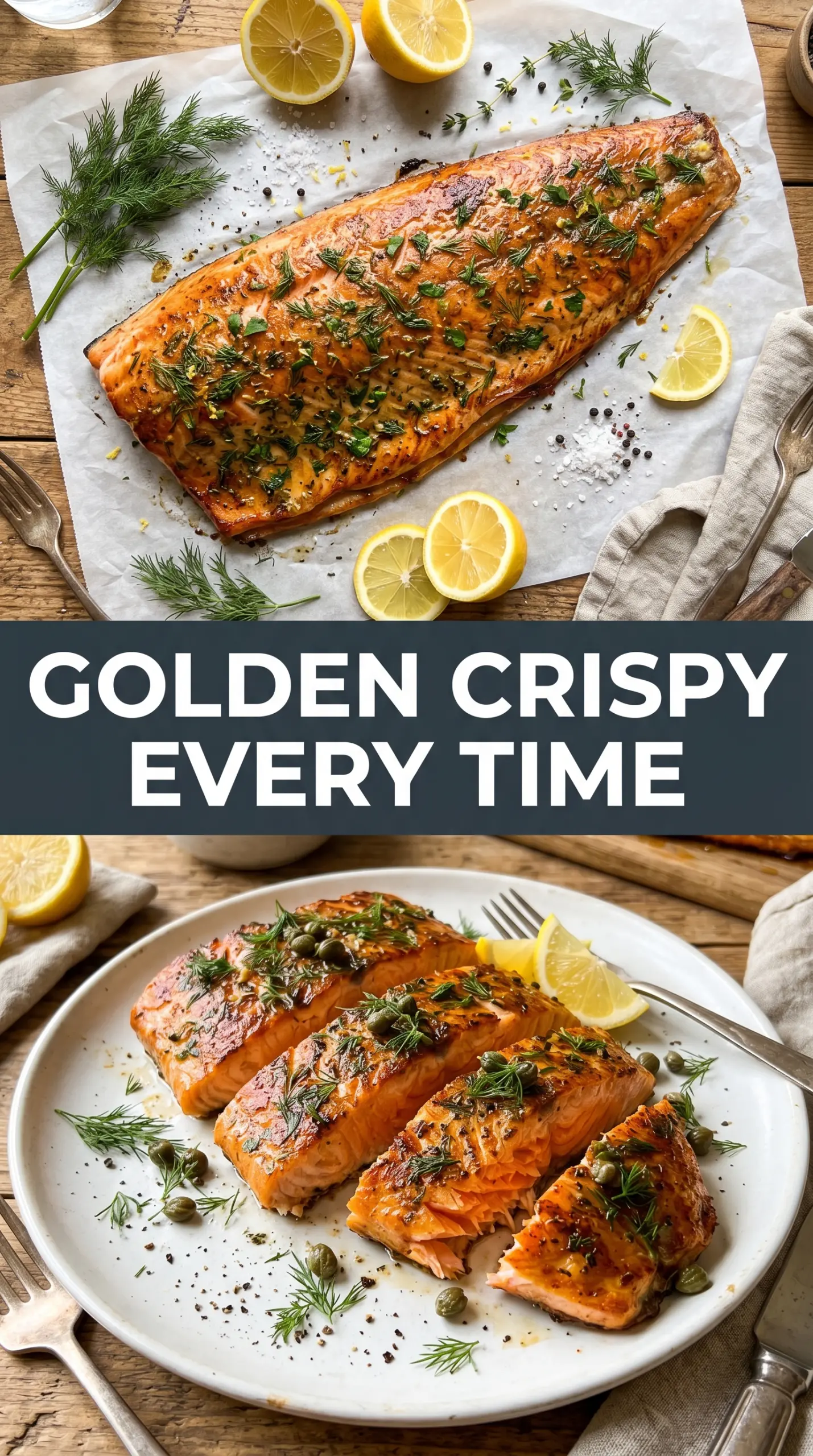
- Fresh salmon or fish (the delicate protein) — Choose thick-cut fillets so they stay moist on the grill. Thin pieces can overcook before browning.
- Lemon or citrus (the brightness) — Acid enhances the fish’s natural flavors and prevents the meat from tasting fishy. Fresh citrus makes a real difference.
- Olive oil (the protector) — Oil prevents sticking and helps the fish brown instead of steam. It also carries herb flavors throughout.
- Fresh dill or herbs (the aromatics) — Fish pairs beautifully with delicate herbs. Dill, tarragon, and parsley all work better than heavy spices.
- Garlic (the savory note) — Garlic adds depth without overwhelming delicate fish. Use it sparingly so it complements rather than competes.
- Salt and white pepper (subtle seasoning) — These let the fish flavor lead. Heavy spices can mask the delicate taste that makes fish special.
- Butter for finishing (the richness) — A little melted butter added at the end brings everything together and adds luxury without overwhelming the fish.
- High heat and short cooking time (the technique) — Fish cooks fast on high heat. Watch it closely; overdone fish is dry and loses its appeal.
Building The Sear Before The Fish Tells You It’s Ready
Drying And Seasoning The Fillets
Start by patting the salmon dry with paper towels, especially on the skin side. Brush it with the olive oil, lemon juice, and garlic mixture, then season both sides with salt and pepper. Letting it sit for 15 minutes gives the salt time to season the fish, but don’t leave it much longer or the lemon can start to change the texture on the surface.
Heating And Oiling The Grates
Preheat the grill to medium-high and clean the grates well before you add the fish. Then oil the grates, not just the salmon, because that’s what stops the skin from welding itself to the metal. If the grill isn’t hot enough, the salmon will cling and steam instead of sear.
Cooking Skin-Side Down Without Moving
Place the fillets skin-side down and leave them alone for 6 to 8 minutes. You’ll see the color change up the sides of the fish as it cooks, and the skin will release more easily once it has crisped properly. If it still sticks when you try to lift it, give it another minute; forcing the flip is how fillets break apart.
The Final Flip And Doneness Check
Turn the salmon carefully and grill the second side for 2 to 3 minutes, just long enough to finish the center. Medium is around 145°F, but the fish should also feel just set at the edges and still a little glossy in the middle. Pull it early if you want it moister, because carryover heat will keep cooking it after it leaves the grill.
What To Change When You Want A Different Grill Finish
Dairy-Free And Naturally Gluten-Free As Written
This recipe already skips dairy and gluten, so there’s nothing to replace. That makes it a good choice when you want a clean grilled main dish that still tastes finished with just lemon, garlic, and herbs.
Cedar Plank For A Softer, Smokier Edge
If you want a gentler smoke and less risk of sticking, grill the salmon on a soaked cedar plank instead of directly on the grates. You’ll lose a little crust on the skin side, but you gain a woodsy aroma and an easier cook on a busy grill.
Lime, Parsley, Or Tarragon Instead Of Lemon And Dill
Lime gives the salmon a brighter, sharper edge, parsley keeps the flavor clean and mild, and tarragon adds a subtle anise note that feels more polished. Each swap changes the character of the fish, so choose based on whether you want fresh and classic or a little more assertive.
Storage And Reheating
- Refrigerator: Store leftovers in an airtight container for up to 2 days. The skin will soften, but the fish still works well cold or gently reheated.
- Freezer: Cooked salmon freezes, but the texture gets softer after thawing, so I only freeze it if I’m planning to flake it into grain bowls or salads later.
- Reheating: Warm it low and slow in a 275°F oven, covered loosely with foil, just until heated through. High heat dries salmon out fast and makes the edges chalky before the center is warm.
Answers To The Questions Worth Asking
How To Make The Best Grilled Salmon
Ingredients
Equipment
Method
- Pat the salmon dry, then brush it with a mixture of olive oil, lemon juice, and minced garlic until evenly coated. The surface should look glossy with a thin layer of marinade.
- Season generously with salt and black pepper, then let the salmon sit for 15 minutes at room temperature to absorb flavor. It should look slightly wet and more aromatic as the time passes.
- Preheat the grill to medium-high heat and oil the grates well right before cooking. The grates should be hot enough to sizzle on contact.
- Place the salmon skin-side down and grill for 6-8 minutes without moving it. You should see the edges turn opaque while the skin crisps and browns.
- Carefully flip the salmon and grill for 2-3 minutes more until it reaches desired doneness, 145°F for medium. The flesh should be tender and slightly spring back when pressed.
- Serve the grilled salmon immediately with fresh dill and lemon wedges. The lemon and dill should be ready for quick squeezing over the finished fish.