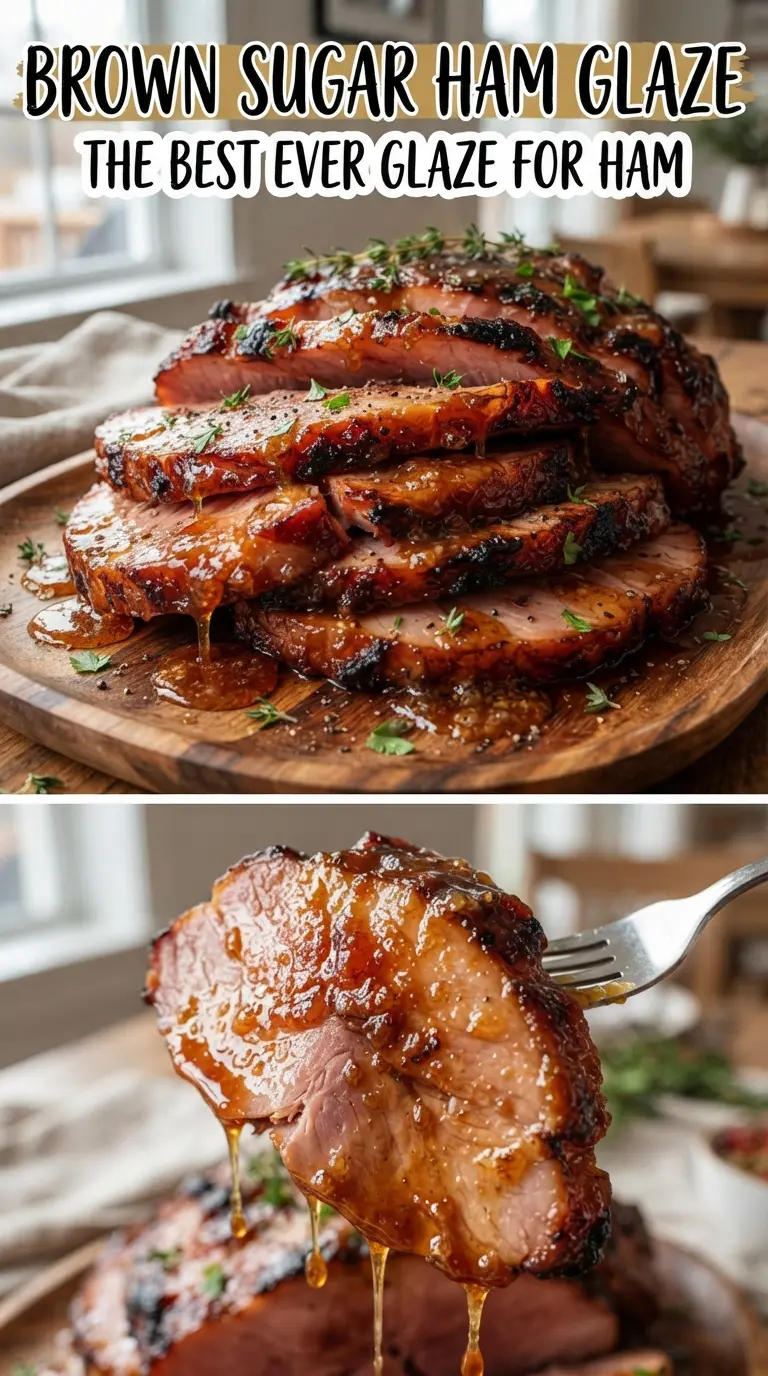
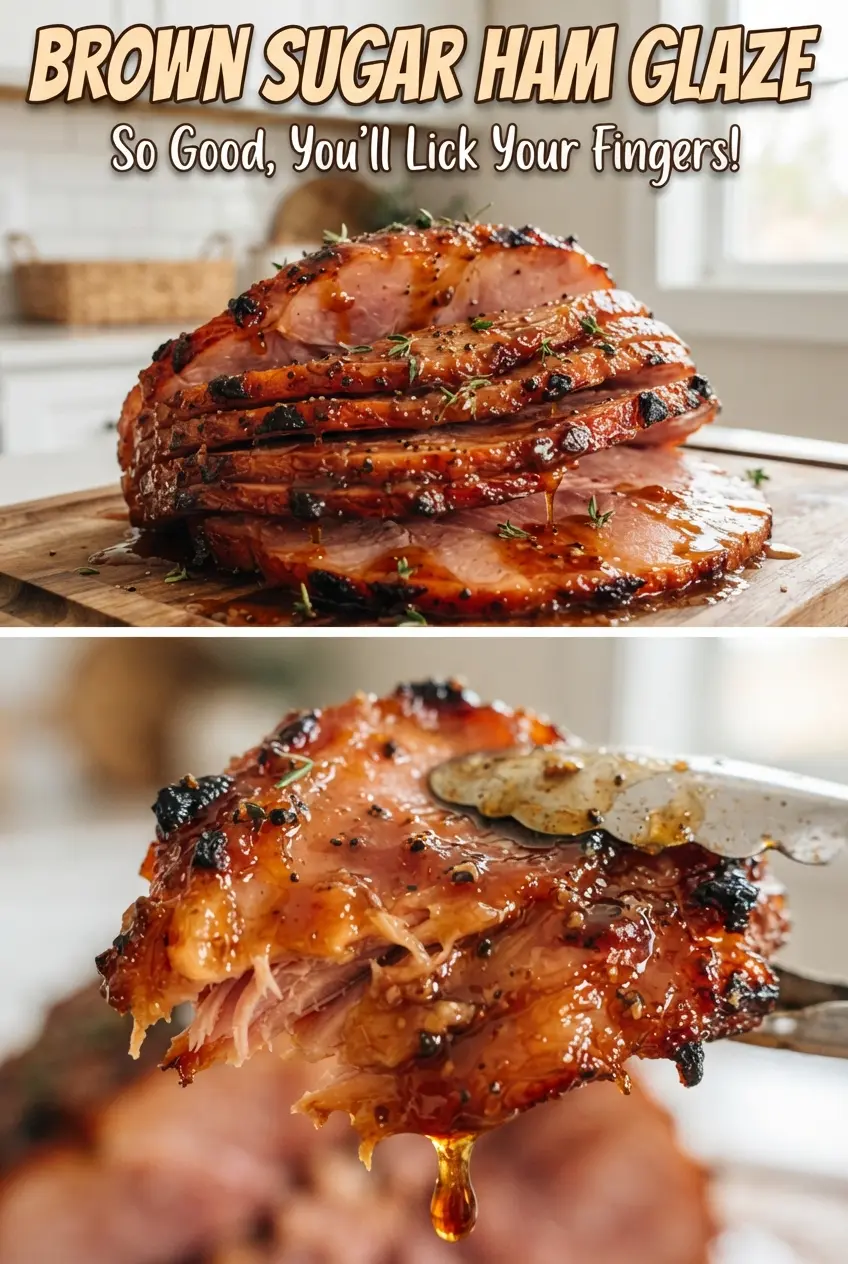
Brown sugar ham glaze gives you that glossy, burnished finish that makes a holiday ham look like you spent all day on it. The flavor lands in that sweet-savory spot where honey, Dijon, and a little vinegar keep the sugar from tasting flat, and the cinnamon-clove note adds just enough warmth without turning it into dessert.
The trick is cooking the glaze just until the sugar dissolves and it thickens slightly. If you let it boil hard too long, it can get sticky in the pan before it ever hits the ham. The butter helps it brush on smoothly, while pineapple or orange juice keeps the sweetness bright and gives the glaze a little lift.
Below, I’ve included the timing that keeps the glaze glossy instead of scorched, plus a few simple swaps if you want to work with what’s already in your kitchen. It’s one of those small finishing touches that changes the whole table.
The glaze brushed on beautifully and stayed glossy the whole last half hour. The Dijon kept it from getting too sweet, and the slices had the perfect sticky finish.
Keep this brown sugar ham glaze handy for a sticky, glossy ham with just the right balance of sweet, tangy, and spiced.
The Secret to a Glaze That Stays Glossy Instead of Burning
The mistake with ham glaze is treating it like a sauce that needs to cook down a lot. Brown sugar, honey, and fruit juice reduce fast, and once that mixture goes from glossy to dull and thick, it starts to seize and scorch on the ham. This glaze works because it only needs a short simmer in the pan and a controlled finish in the oven.
Brush it on during the last 30 minutes of baking, not at the start. That timing gives the sugar enough heat to caramelize lightly without turning bitter. Reapply every 10 minutes so each layer sets into the last one instead of sliding off the surface.
What Each Ingredient Is Actually Doing in This Glaze
- Packed brown sugar — This gives the glaze its body and the deep molasses note that clings to the ham. Light or dark brown sugar both work; dark brown sugar will taste a little more caramel-like.
- Honey — Honey keeps the glaze fluid and helps it lacquer the outside of the ham. Maple syrup can stand in, but it will taste less classic and a little woodier.
- Pineapple or orange juice — The juice thins the mixture just enough to brush on cleanly and adds acidity so the glaze doesn’t taste one-note sweet. Pineapple is brighter and punchier; orange is softer and a little rounder.
- Dijon mustard — Dijon brings sharpness and keeps the glaze from reading like candy. Yellow mustard won’t give the same depth, but it can work in a pinch if that’s what you have.
- Butter — Butter smooths the glaze and gives it a richer shine. If you need a dairy-free version, use a neutral oil, though the glaze won’t coat quite as silkily.
- Apple cider vinegar — A small amount lifts the sweetness and keeps the glaze lively. Don’t skip it unless you’re using a much tarter juice, because it’s what keeps the finish from going flat.
- Cinnamon and cloves — These spices give the glaze that familiar holiday warmth. Cloves are strong, so keep the amount modest unless you want the flavor to lean noticeably spiced.
Building the Glaze So It Brushes On Cleanly
Start With a Gentle Simmer
Combine everything in a saucepan and bring it up over medium heat, stirring until the sugar dissolves. You’re looking for a smooth, glossy liquid with no grainy sugar on the bottom of the pan. If the heat is too high, the honey and sugar can catch before the mixture comes together.
Cook Only Until It Lightly Coats a Spoon
Let the glaze simmer for 3 to 4 minutes. It should thicken slightly and look shiny, but it should still pour easily from a spoon. If it gets too tight in the pan, it will be hard to brush and can turn sticky before the ham is fully heated through.
Layer It During the Final Bake
Brush the glaze over a fully cooked ham during the last 30 minutes of baking, then repeat every 10 minutes. That repeated brushing builds a lacquered surface instead of one heavy layer that runs off the meat. If your oven runs hot, watch the edges of the scoring closely so the sugars don’t darken too fast.
Finish With the Pan Drippings in Mind
When the ham comes out, spoon any remaining warm glaze over the sliced meat at the table. The cut edges soak it up better than the outside ever can, and that last spoonful makes the whole platter look and taste finished. If the glaze thickened while it sat, warm it for a minute before serving so it loosens again.
Three Ways to Adjust This Glaze Without Losing the Balance
Pineapple Version for a Brighter Finish
Use pineapple juice instead of orange juice for a sharper, tangier glaze that tastes a little more classic with baked ham. It will caramelize a touch faster, so keep an eye on the last 10 minutes of baking.
Dairy-Free Ham Glaze
Swap the butter for a neutral oil or a plant-based butter. You’ll still get a glossy glaze, but it won’t have quite the same rounded richness, so don’t over-reduce it or it can taste too sharp.
Less Sweet, More Savory
Reduce the brown sugar by 2 to 3 tablespoons and add a touch more Dijon. The glaze won’t be as candy-like and the mustard will stand out more, which is a good move if your ham is already heavily cured or very salty.
Storage and Reheating
- Refrigerator: Store leftover glaze in an airtight container for up to 1 week. It will thicken as it chills.
- Freezer: It freezes well for up to 2 months. Thaw in the refrigerator and stir well before reheating.
- Reheating: Warm it gently in a small saucepan over low heat or in short microwave bursts, stirring often. High heat can make the sugars seize and turn grainy.
Answers to the Questions Worth Asking
Brown Sugar Ham Glaze
Ingredients
Equipment
Method
- Combine brown sugar, honey, pineapple or orange juice, Dijon mustard, butter, apple cider vinegar, cinnamon, and cloves in a saucepan.
- Bring to a simmer over medium heat, stirring until the sugar dissolves.
- Simmer 3-4 minutes until slightly thickened and glossy, stirring occasionally so it stays smooth.
- Brush the warm glaze over a fully cooked ham during the last 30 minutes of baking.
- Brush again every 10 minutes during those last 30 minutes so the glaze stays glossy.
- Spoon the remaining warm glaze over sliced ham at the table.


