Clear, savory broth and tender noodles are what make Chinese chicken noodle soup the kind of meal you keep coming back to. The bowl should taste clean and comforting, not heavy, with ginger and garlic doing the first lift and sesame oil rounding everything out at the end. When it’s done right, the chicken stays juicy, the bok choy keeps a little bite, and the noodles soak up enough broth to taste seasoned without turning soft and gummy.
This version works because the soup builds flavor in layers instead of trying to force everything into the pot at once. The broth gets time to simmer with ginger and garlic before the chicken goes in, which gives it a deeper, fresher base. Cooking the noodles separately also matters; it keeps the broth clear and stops the noodles from drinking up all the liquid before dinner is on the table.
Below, I’ve included the small details that make this soup taste polished — the best way to keep the broth balanced, how to handle the noodles, and a few simple swaps if you need them.
The broth came out clear and flavorful, and the noodles stayed springy because I cooked them separately. My husband kept adding a little more white pepper to his bowl, which never happens.
Save this Chinese chicken noodle soup for nights when you want clear broth, tender chicken, and noodles that stay perfectly springy.
The Trick Is Keeping the Broth Clear While Building Flavor
Cloudy soup usually comes from boiling too hard or from cooking the noodles directly in the pot. A hard boil agitates the broth and can make the chicken turn stringy before it’s done, while noodles release starch that muddies the liquid fast. A steady simmer keeps the broth clean and gives the ginger, garlic, and chicken time to work without turning the texture rough.
White pepper matters here more than black pepper would. It gives that familiar restaurant-style warmth without speckling the broth, and it tastes sharper and cleaner in a light soup like this. Rice vinegar is the quiet finishing move; it doesn’t make the soup sour, but it wakes up the broth so the soy sauce and sesame oil don’t taste flat.
What Each Ingredient Is Doing in the Bowl
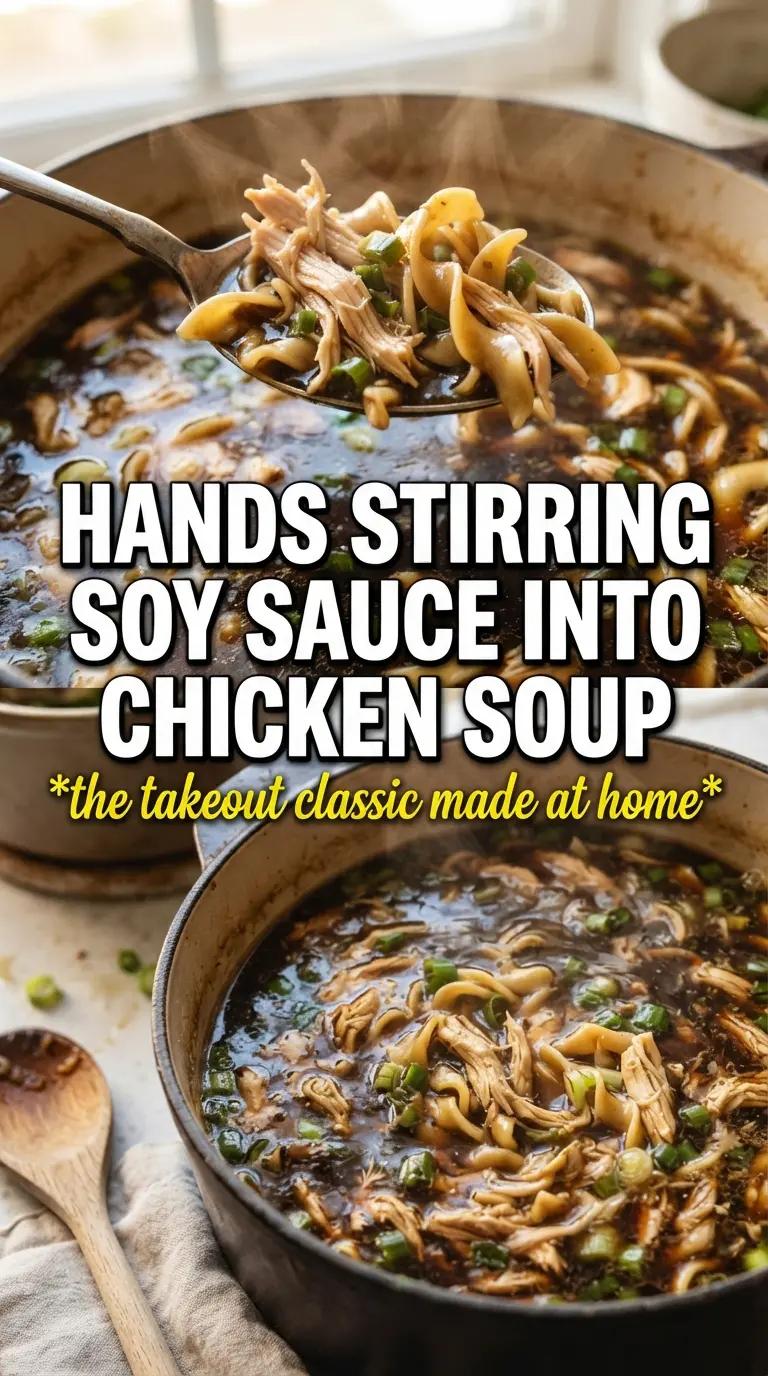
- Chicken breast — Thin slices cook quickly and stay tender in the broth. Cut them against the grain so they don’t turn chewy. Chicken thighs work too if you want a richer result, and they’re more forgiving if the soup simmers a few minutes longer.
- Thin Chinese wheat noodles or rice noodles — These keep the soup light and give you that slurpable texture. Cook them separately so the broth stays clear and the noodles don’t absorb all the liquid. If you use dried rice noodles, rinse them after cooking to stop the starch from clumping.
- Ginger and garlic — This is the base flavor, and fresh really matters here. Pre-minced garlic or ginger paste works in a pinch, but the broth won’t have the same clean, bright edge. Let them simmer briefly in the broth so the flavor infuses instead of tasting raw.
- Bok choy and shiitake mushrooms — Bok choy brings freshness and a little crunch, while shiitakes add depth and that savory, almost meaty note. Slice the mushrooms thin so they soften in the same window as the chicken. Baby bok choy can replace regular bok choy; just cut larger stalks into bite-size pieces.
- Soy sauce, sesame oil, rice vinegar, and white pepper — These are the finishing layer. Soy sauce seasons, sesame oil adds aroma, vinegar sharpens the broth, and white pepper gives the final warmth. Add the sesame oil near the end so it stays fragrant instead of cooking off.
How to Build the Soup So the Noodles Stay Springy
Starting the Broth
Bring the broth to a gentle simmer before you add anything else. Once the garlic and ginger go in, let them cook for about 5 minutes so the broth picks up their flavor without turning harsh. If the pot is boiling hard, pull the heat back; this soup wants movement, not a rolling churn.
Cooking the Chicken and Mushrooms
Add the sliced chicken and mushrooms and keep the simmer steady until the chicken is cooked through and the mushrooms are tender, about 10 to 12 minutes. The chicken should turn opaque and feel just firm, not rubbery. If the pieces are cut too thick, they’ll take longer and the broth can taste underseasoned, so thin slicing pays off here.
Finishing the Greens and Noodles
Cook the noodles separately and divide them into bowls before you ladle over the broth. Add the bok choy to the pot at the very end and cook it only until the leaves wilt and the stems lose their raw crunch, about 3 minutes. If the bok choy goes in too early, it turns dull and soft; if the noodles sit in the soup too long, they swell and go pasty.
Seasoning at the Table
Taste the broth before serving and adjust with salt, white pepper, or a tiny bit more soy sauce. The final bowl should taste layered, not salty, with sesame oil and cilantro adding the last hit of aroma. A drizzle of chili oil on top gives the soup a little heat and makes the whole bowl smell richer the second it hits the table.
How to Adapt This Chinese Chicken Noodle Soup Without Losing the Broth’s Clean Finish
Make It Gluten-Free
Use rice noodles and swap in a gluten-free soy sauce or tamari. The broth still tastes balanced, but rice noodles soften faster than wheat noodles, so serve the soup as soon as they’re hot. If they sit in the broth too long, they lose their spring.
Use Chicken Thighs for a Richer Bowl
Boneless, skinless thighs bring a little more richness and stay tender even if they simmer a bit longer. They’re a good choice if you want a deeper chicken flavor, especially with the lighter broth. Cut them thin so they cook in the same window as the mushrooms.
Add More Vegetables Without Making It Heavy
Snow peas, napa cabbage, or thin carrot slices fit in well here because they cook quickly and keep the soup light. Add anything sturdy enough to need extra time before the bok choy goes in. The key is to avoid vegetables that throw off a lot of starch or make the broth feel crowded.
Storage and Reheating
- Refrigerator: Store the broth, chicken, and vegetables for up to 4 days. Keep the noodles separate if you can, because they soak up liquid fast.
- Freezer: The broth and chicken freeze well for up to 3 months, but freeze the noodles separately or make fresh noodles when you reheat. Bok choy gets soft after freezing, so expect a looser texture if it’s included.
- Reheating: Warm the broth gently on the stove until steaming, then add the noodles just long enough to heat through. Don’t boil it hard or the chicken tightens and the noodles go mushy.
Questions I Get Asked About This Recipe
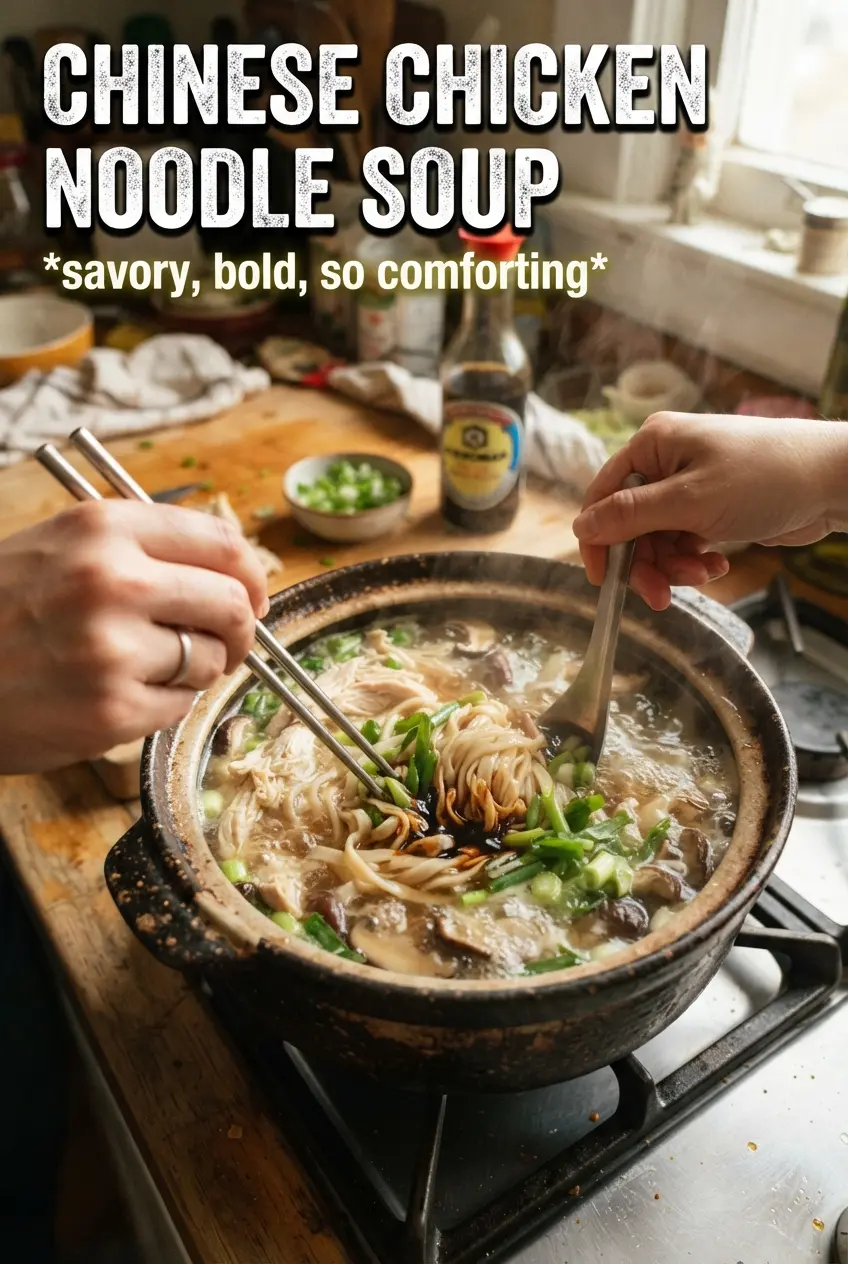
Chinese Chicken Noodle Soup
Ingredients
Equipment
Method
- Bring the chicken broth to a simmer in a large pot, then add the minced garlic and grated ginger and simmer for 5 minutes, stirring occasionally and looking for steady small bubbles.
- Stir in the soy sauce, sesame oil, and rice vinegar, then taste and adjust to your preference.
- Add the thinly sliced chicken and the sliced shiitake mushrooms to the pot and simmer for 10-12 minutes until the chicken is cooked through, with the chicken no longer pink in the center.
- Cook the thin Chinese noodles separately according to package directions, then drain and divide them into bowls, keeping them tender and not overcooked.
- Add the chopped bok choy to the broth and cook for 3 minutes until wilted, with bright green leaves and crisp-tender stems.
- Ladle the hot soup over the drained noodles, then season with white pepper and salt to taste.
- Top with the sliced green onions, cilantro, and a drizzle of chili oil for serving.


